Introduction
“The lost message” highlights the growing gap between symbolic political assurances and the constitutional obligation of the State to protect minorities in practice. While Prime Minister Narendra Modi’s Christmas greetings and participation in Christian festivities project inclusiveness, the article argues that such gestures ring hollow when episodes of vandalism, intimidation, and selective policing against minorities continue without visible accountability.
Key Issues Highlighted
- Symbolism Without Enforcement
- Public messages of harmony contrast with weak ground-level action.
- Example: Festive greetings coexist with vandalism of churches.
- Selective Policing and Impunity
- Delayed FIRs and low conviction rates embolden offenders.
- Example: Recurrent attacks by fringe groups without deterrence.
- Erosion of Constitutional Secularism
- Neutrality of the State appears compromised in perception.
- Example: Silence or ambiguity from authorities after attacks.
- Federal Gaps in Minority Protection
- 1. Centre issues assurances, but States control policing.
- 2. Example: Uneven responses across States to similar incidents.
- Chilling Effect on Freedom of Religion
- 1. Fear discourages minorities from exercising religious rights.
- 2. Example: Disruption of prayers and religious gatherings.
Key Facts from the Article
Repeated incidents of vandalism of Christian places of worship reported in States like Kerala, Uttar Pradesh, Chhattisgarh and Assam.
- Attacks are often carried out by fringe groups, with limited convictions.
- India’s Constitution guarantees:
- Article 25 – Freedom of conscience and religion
- Article 14 – Equality before law
- Article 21 – Protection of life and personal liberty
- Law & order is a State subject, but constitutional responsibility is shared.
- Symbolic outreach is not matched by administrative deterrence.
Global Practices
| United Kingdom | Hate-crime laws with fast-track prosecution. |
| Canada | Community policing and interfaith councils. |
| Germany | Zero-tolerance policy against religious vandalism. |
| South Africa | Constitutional courts actively protect minority rights. |
| New Zealand | Post-Christchurch reforms linking speech, policing, and accountability. |
Lesson: Symbolism works only when backed by law enforcement and accountability.
Indian Committees / Policy References
| Sachar Committee (2006) | Minority inclusion and protection. |
| Ranganath Misra Commission | Equal protection irrespective of religion. |
| National Commission for Minorities (NCM) | Monitoring minority rights. |
| Supreme Court jurisprudence | State’s positive duty to protect life and liberty. |
| Police Reforms (Prakash Singh Case) | Insulating policing from political bias. |
Way Forward
- Ensure strict enforcement of law against hate crimes without delay.
- Fix accountability of police and district administration for inaction.
- Strengthen minority protection mechanisms at State and district levels.
- Implement police reforms to reduce political and ideological bias.
- Institutionalise interfaith dialogue beyond symbolic occasions.
- Reinforce constitutional values through public leadership and governance.
Conclusion
India’s strength lies not in symbolic affirmations of pluralism but in the lived security of its minorities. When assurances of harmony are not reinforced by visible protection and accountability, the message of inclusion is lost. Upholding constitutional secularism requires governance that protects, not merely performs.
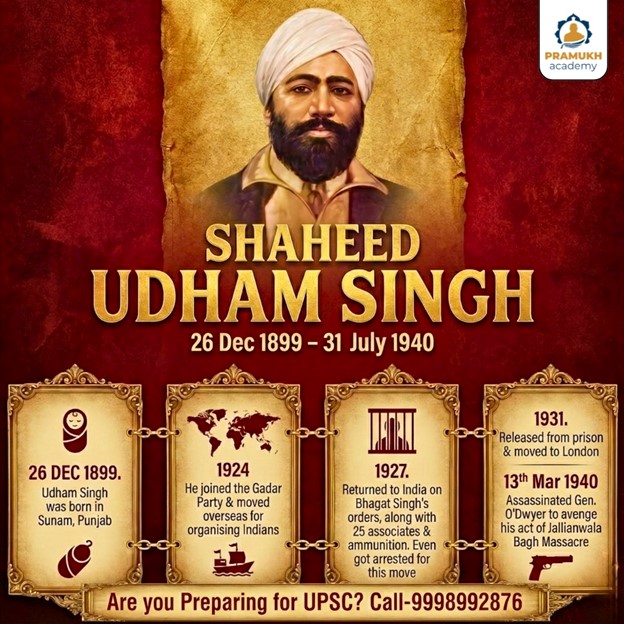
Shaheed Udham Singh: The Courageous Avenger of Jallianwala Bagh
India’s struggle for independence was shaped not only by political movements but also by the fearless acts of revolutionaries who [...]
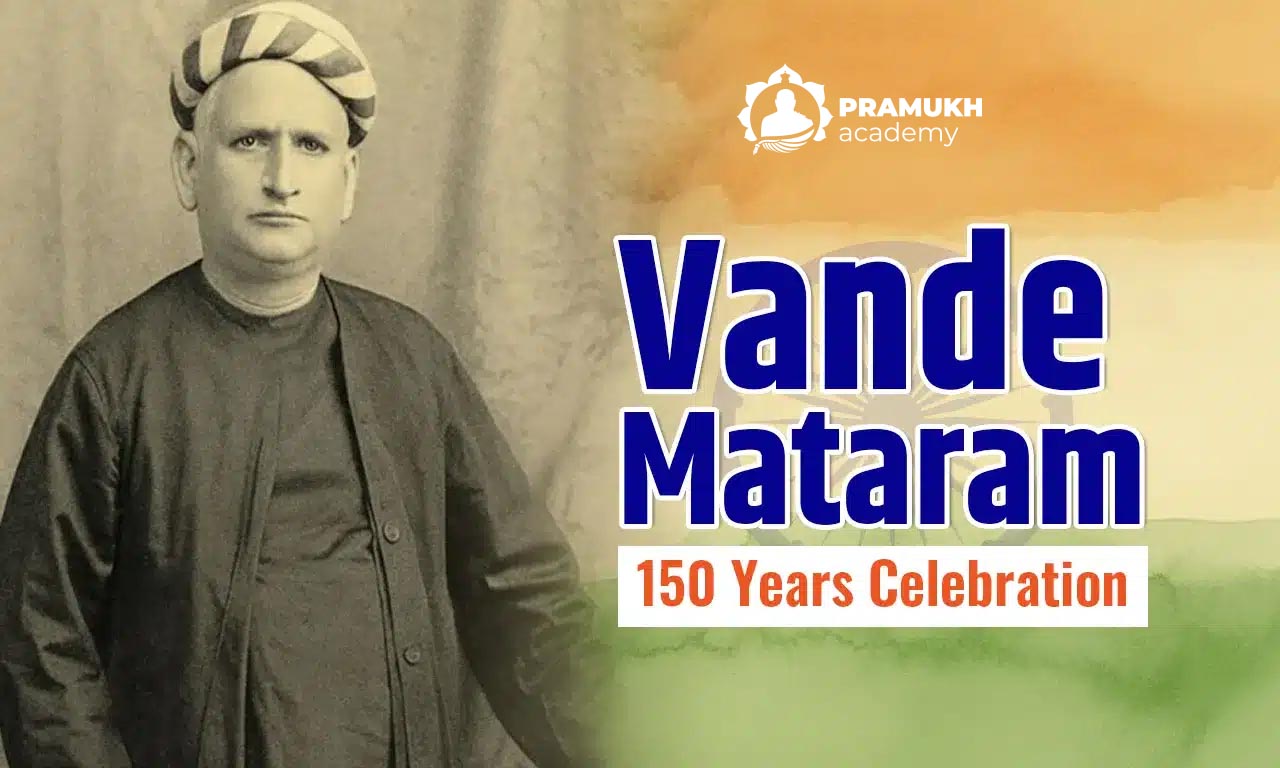
‘वंदेमातरम’ सिर्फ़ गीत नहीं, हमारा संकल्प
दिनांक 7 नवंबर 2025 ये दिन भारतीय इतिहास के स्वर्णिम अक्षरों में लिखा गया है क्योंकि आज से ठीक 150 [...]

UPSC PRATIBHA Setu: A Second Gateway for Aspirants to Shine Beyond the Exam
Every year, lakhs of aspirants appear for the UPSC examination. They dedicate the golden years of their lives and invest their [...]
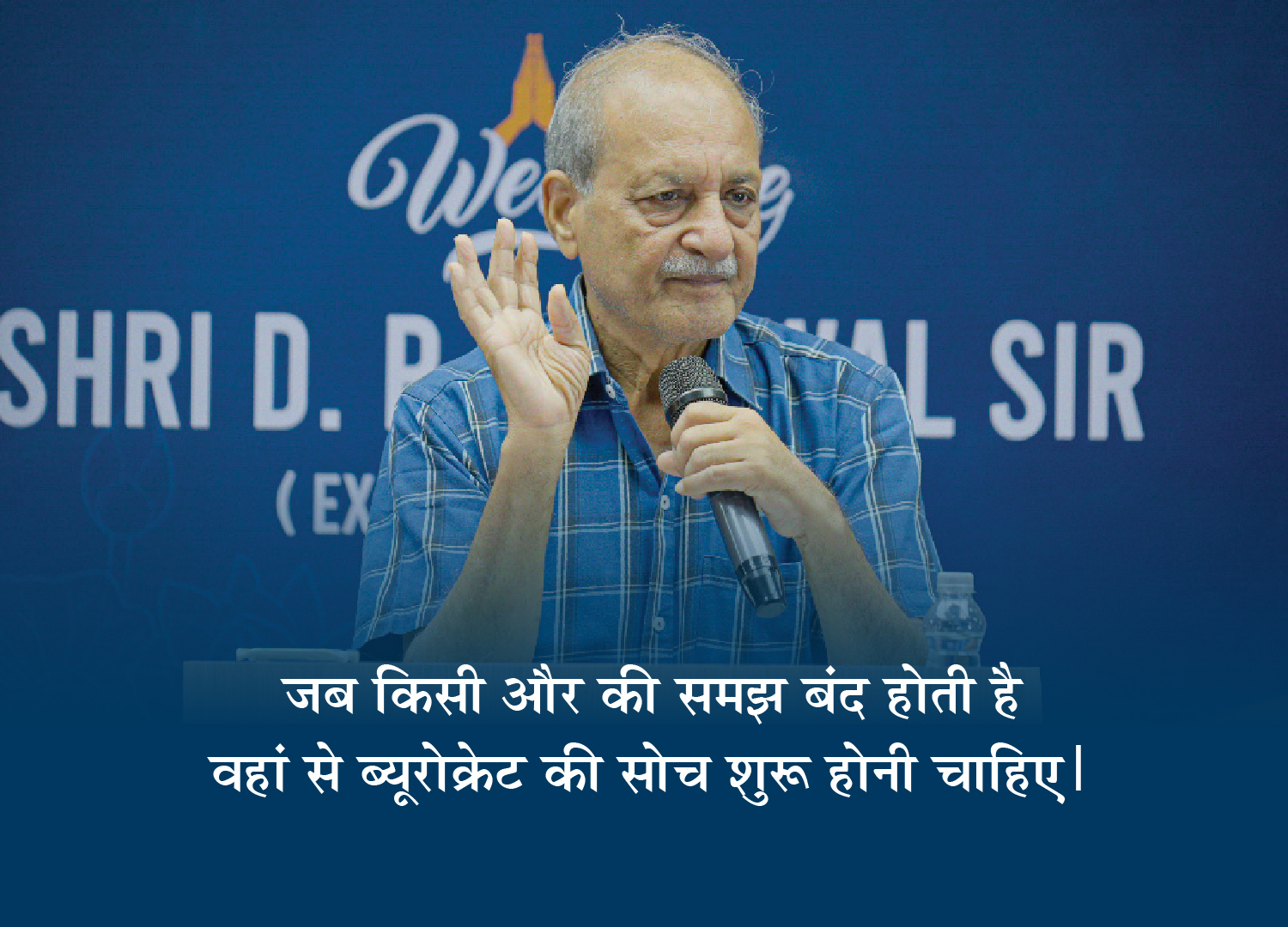
जब किसी और की समझ बंद होती है वहां से ब्यूरोक्रेट की सोच शुरू होनी चाहिए
निश्चित रूप से, Prof. D. P. Agrawal ने सिविल सेवा और यूपीएससी से संबंधित विभिन्न पहलुओं पर एक बहुत ही [...]

International Tiger Day 2025: Date, Importance & Awareness
India, being a host of 70% of global tiger’s population is all set to celebrate international tiger’s day, at this [...]