
News
An elephant calf injured after being hit by an express train in Assam’s Hojai district, near Kaziranga National Park, succumbed to injuries despite rescue efforts. The Union Government has sought a detailed report and directed States to strengthen elephant-movement monitoring along railway tracks.

Key Points
1. Incident Details
- A less-than-one-week-old elephant calf was hit by an express train.
- An accident occurred on a railway stretch cutting through elephant corridors.
- The calf suffered fractured legs and internal injuries.
2. Rescue and Response
- The calf was rescued and taken to the Centre for Wildlife Rehabilitation and Conservation (CWRC).
- Despite veterinary intervention, the calf was unable to survive.
3. Location significance
- The incident occurred close to Kaziranga National Park, a critical habitat for elephants.
- The rail track lies along a known elephant movement corridor.
4. Centre’s directions
- The Ministry of Environment, Forest, and Climate Change (MoEFCC) sought a report from Assam.
- States are instructed to monitor elephant movement near railway lines.
- Railway authorities are directed to coordinate with the Forest Departments.
5. Speed regulation focus
- Conservationists reiterated the need for strict speed limits in high-risk stretches.
- Surveillance, signage, and patrolling are to be strengthened.
6. Recurring issue
- Train–elephant collisions are a persistent cause of elephant mortality in Assam and other forested States.
- Highlights infrastructure–wildlife conflict in biodiversity-rich regions.
- Asian Elephant (Elephas maximus)
-
- IUCN Status: Endangered
- Schedule I species under the Wildlife (Protection) Act, 1972
- Elephant corridors
-
- Narrow forest stretches enable elephant movement between habitats.
- India has ~150 identified elephant corridors.
- Kaziranga National Park
-
- UNESCO World Heritage Site
- Located in Assam, famous for its one-horned rhinoceros and elephant population.
- Major causes of elephant deaths
-
- Train collisions
- Electrocution
- Poaching
- Habitat fragmentation
- Mitigation measures
- Speed restrictions
- Underpasses/overpasses
- Early warning systems
- Coordination between Railways & Forest Departments

Shaheed Udham Singh: The Courageous Avenger of Jallianwala Bagh
India’s struggle for independence was shaped not only by political movements but also by the fearless acts of revolutionaries who [...]

‘वंदेमातरम’ सिर्फ़ गीत नहीं, हमारा संकल्प
दिनांक 7 नवंबर 2025 ये दिन भारतीय इतिहास के स्वर्णिम अक्षरों में लिखा गया है क्योंकि आज से ठीक 150 [...]

UPSC PRATIBHA Setu: A Second Gateway for Aspirants to Shine Beyond the Exam
Every year, lakhs of aspirants appear for the UPSC examination. They dedicate the golden years of their lives and invest their [...]
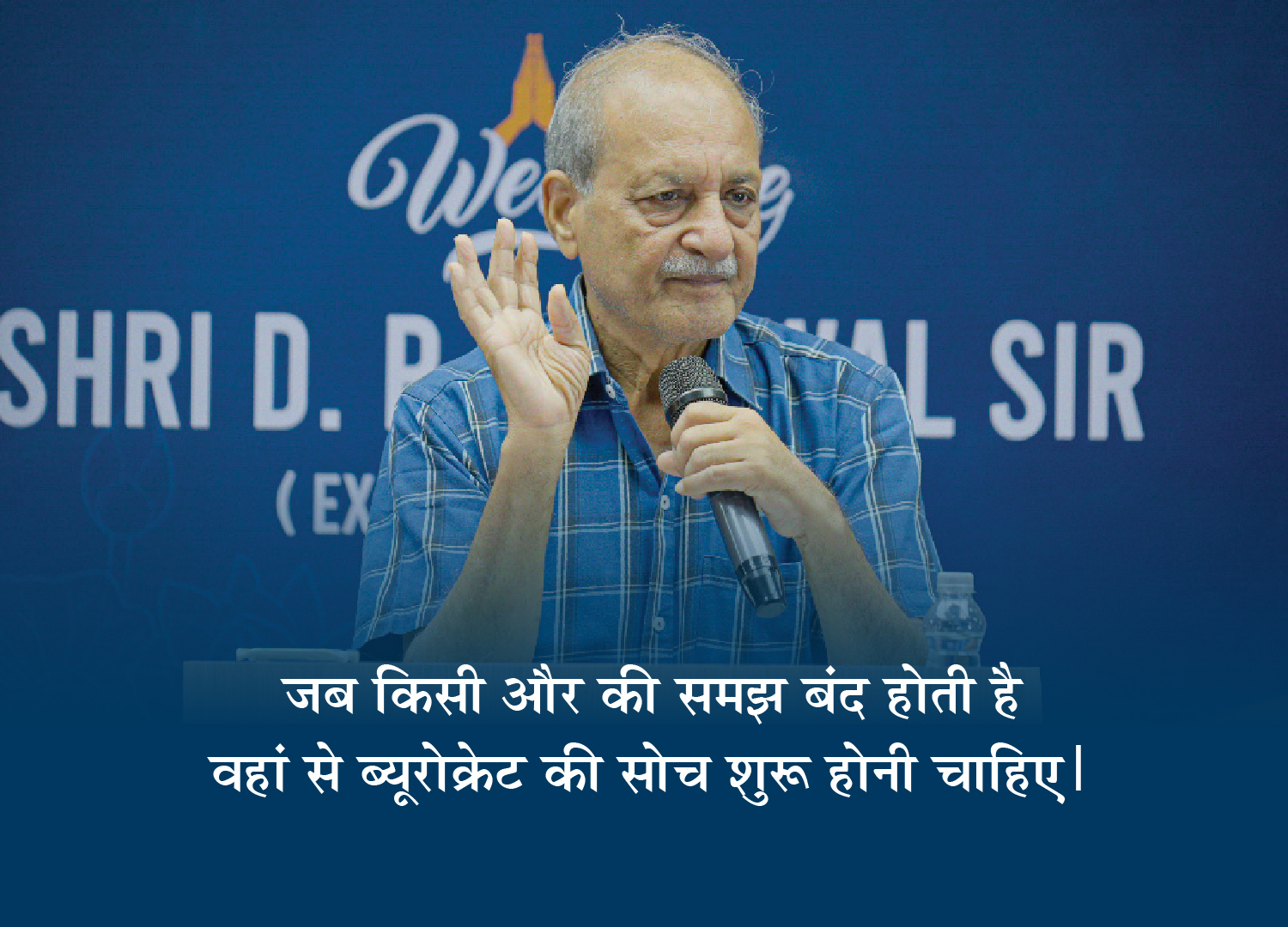
जब किसी और की समझ बंद होती है वहां से ब्यूरोक्रेट की सोच शुरू होनी चाहिए
निश्चित रूप से, Prof. D. P. Agrawal ने सिविल सेवा और यूपीएससी से संबंधित विभिन्न पहलुओं पर एक बहुत ही [...]

International Tiger Day 2025: Date, Importance & Awareness
India, being a host of 70% of global tiger’s population is all set to celebrate international tiger’s day, at this [...]