
Introduction
“The urban future with cities as dynamic ecosystems” argues that modern urban planning has overly prioritised infrastructure, efficiency and economic output while neglecting the lived realities of people who inhabit cities. The article stresses that cities are not static administrative units but evolving social ecosystems, where inclusion, cultural recognition and a sense of belonging are as critical as roads, housing and transport systems.
Key Issues
- Invisible Tax of Linguistic Exclusion
- Migrants are expected to assimilate linguistically without institutional support.
- Example: Monolingual documentation restricting access to welfare and healthcare.
- Urban Planning for the ‘Established Resident’
- Cities are designed for those already embedded in formal systems.
- Example: Housing policies that exclude informal workers lacking documentation.
- Cultural Alienation of Migrants
- Failure to integrate linguistic and cultural diversity weakens social trust.
- Example: Migrants confined to an informal economy with limited upward mobility.
- Infrastructure-Heavy, People-Light Governance
- Emphasis on physical assets over social infrastructure.
- Example: Smart city projects ignoring migrant settlements and needs.
- Erosion of Urban Resilience
- Social fragmentation undermines long-term economic and civic stability.
- Example: Cities dependent on migrant labour yet resistant to cultural pluralism.
Key Facts from the Article
Global Practices
| Toronto (Canada) | Multilingual public services that ensure migrants can access healthcare, housing, and legal support. |
| Barcelona (Spain) | “Right to the City” approach enabling citizens to actively participate in urban planning decisions. |
| Berlin (Germany) | Integration of cultural inclusion policies with long-term housing and employment strategies. |
| Singapore | Planned urban inclusion where migrant communities are integrated into public transport, housing, and services. |
| Melbourne (Australia) | Community-led neighbourhood planning that strengthens social cohesion and local governance. |
| Key Lesson | Successful inclusive cities invest equally in social integration, participation, and physical infrastructure. |
National & Policy Frameworks
| Second Administrative Reforms Commission | Citizen-centric service delivery. |
| National Urban Livelihoods Mission (NULM) | Integration of urban poor into livelihoods. |
| Smart Cities Mission (Reform Agenda) | Need to go beyond technology to people. |
| SDG 11 (India’s Voluntary National Review) | Inclusive, safe and resilient cities. |
| 74th Constitutional Amendment | Democratic urban governance. |
Way Forward
- Redesign cities as social ecosystems, not merely infrastructure projects.
- Institutionalise multilingual public services in health, housing and welfare.
- Embed migrant voices in urban planning committees and ward-level governance.
- Shift from ‘Smart Cities’ to ‘Sensitive Cities’, prioritising lived experiences.
- Invest in social infrastructure – community centres, cultural mediation, training.
- Measure urban success through inclusion, dignity and belonging, not GDP alone.
Conclusion
The future of Indian cities lies not in concrete and codes alone, but in compassion, inclusion and adaptability. Cities that fail to integrate their newest residents risk becoming economically productive yet socially fragile. A truly sustainable urban future must recognise belonging as the core metric of progress.

Shaheed Udham Singh: The Courageous Avenger of Jallianwala Bagh
India’s struggle for independence was shaped not only by political movements but also by the fearless acts of revolutionaries who [...]
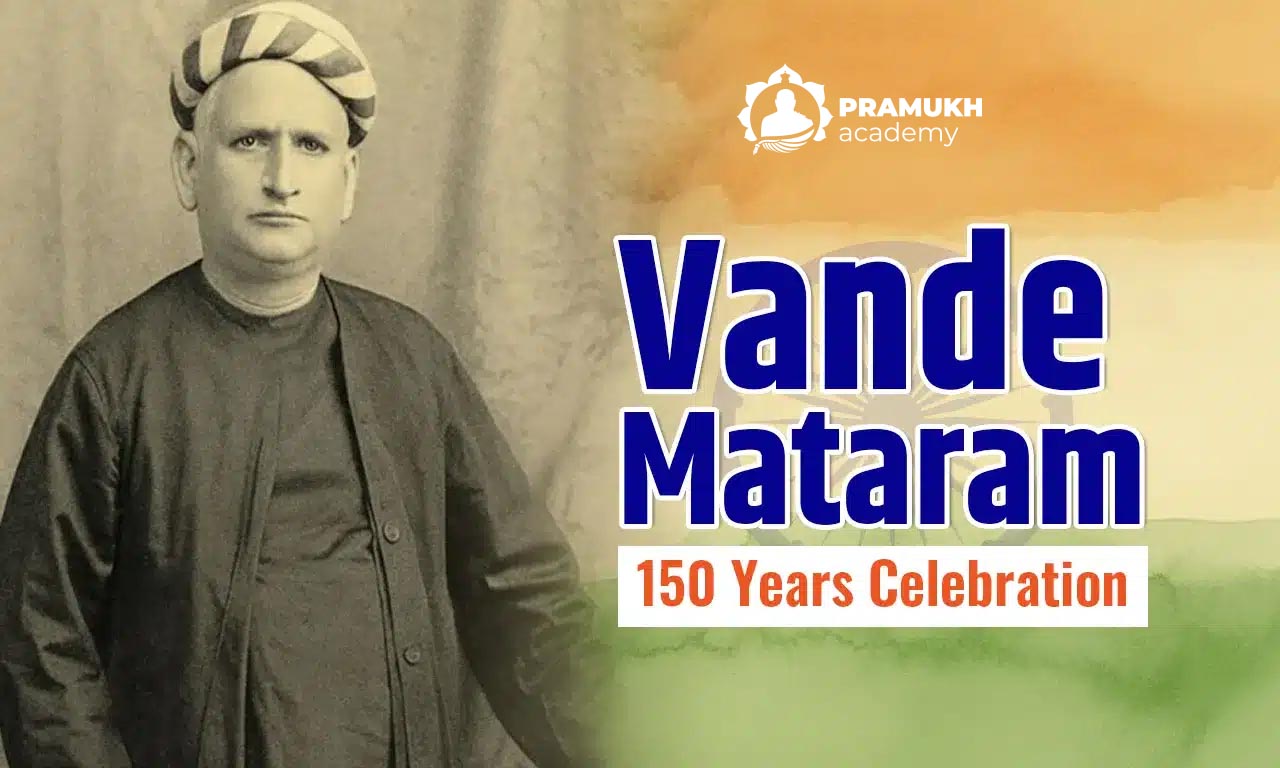
‘वंदेमातरम’ सिर्फ़ गीत नहीं, हमारा संकल्प
दिनांक 7 नवंबर 2025 ये दिन भारतीय इतिहास के स्वर्णिम अक्षरों में लिखा गया है क्योंकि आज से ठीक 150 [...]

UPSC PRATIBHA Setu: A Second Gateway for Aspirants to Shine Beyond the Exam
Every year, lakhs of aspirants appear for the UPSC examination. They dedicate the golden years of their lives and invest their [...]
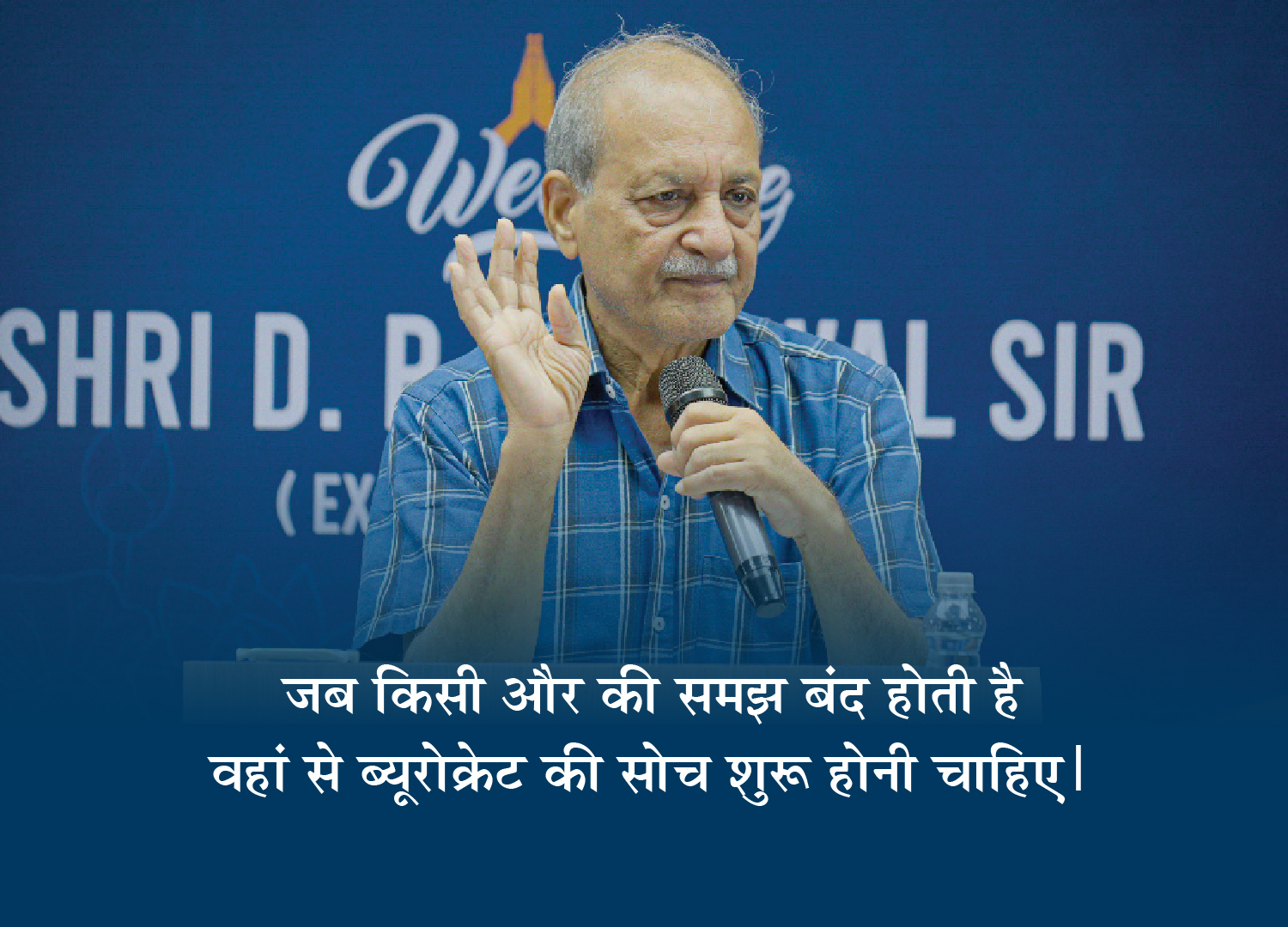
जब किसी और की समझ बंद होती है वहां से ब्यूरोक्रेट की सोच शुरू होनी चाहिए
निश्चित रूप से, Prof. D. P. Agrawal ने सिविल सेवा और यूपीएससी से संबंधित विभिन्न पहलुओं पर एक बहुत ही [...]

International Tiger Day 2025: Date, Importance & Awareness
India, being a host of 70% of global tiger’s population is all set to celebrate international tiger’s day, at this [...]