Introduction
India’s civil aviation sector has often been celebrated as a symbol of liberalisation-driven growth, affordability, and rising aspirations. However, the IndiGo operational crisis exposed the fragility beneath this success narrative. Flight cancellations, safety lapses, pilot shortages, and regulatory paralysis highlighted not merely a corporate failure, but a deeper structural weakness in India’s aviation governance. The episode compels a serious rethinking of how a highly concentrated, safety-critical sector should be regulated, governed, and restructured in the public interest.
Key Issues / Core Arguments
- Regulatory Failure and Weak Enforcement
- Despite repeated warnings, DGCA failed to enforce compliance decisively.
-
- Example: Safety lapses and operational stress were allowed to accumulate without corrective action.
- Market Concentration and “Too Big to Fail” Risk
- IndiGo’s dominance creates systemic risk in case of failure.
-
- Example: Any disruption affects national connectivity, passengers, and supply chains.
- Overexpansion without Institutional Capacity
- Aggressive fleet expansion was not matched by pilot training and maintenance readiness.
-
- Example: Wet leasing, cancellations, and overstretched crew schedules.
- Inadequate Consumer Protection Framework
- Passengers bore the cost of mismanagement through cancellations and uncertainty.
-
- Example: Limited compensation and grievance redressal despite mass disruptions.
- Global Lessons Ignored
- International aviation crises show the danger of cost-cutting over resilience.
-
- Example: Southwest Airlines meltdown due to outdated systems and understaffing.
Key Facts from the Article
- DGCA had flagged safety and operational violations at IndiGo before the crisis
- IndiGo controls ~65% of India’s domestic aviation market
- Pilot shortages worsened by aggressive expansion and training bottlenecks
- Southwest Airlines crisis (US, 2022) cited as a global comparator
- Competition Act allows intervention in cases of market abuse.
Global Practices / Comparative Perspective
| United States | FAA enforces strict compliance; airlines grounded for safety lapses |
| European Union | Strong passenger rights regime (EU261 compensation rules) |
| Australia | Independent safety regulators insulated from political pressure |
| ICAO norms | Emphasise safety oversight and regulator autonomy |
Indian Committees / Policy & Legal References
| Competition Act, 2002 | Powers to curb abuse of dominant position |
| DGCA & MoCA framework | Aviation safety and oversight |
| Civil Aviation Requirements (CARs) | Operational compliance standards |
| National Civil Aviation Policy, 2016 | Balanced growth with safety |
Way Forward
- Enforce competition norms to prevent excessive market concentration and systemic risk.
- Mandate capacity-linked expansion, tying fleet growth to training and maintenance readiness.
- Establish a robust passenger rights framework with automatic compensation mechanisms.
- Invest in digital infrastructure, safety audits, and crisis preparedness across airlines.
Conclusion
The IndiGo crisis is not an isolated corporate failure but a systemic warning. Aviation, as a safety-critical and public-interest sector, cannot be governed by market logic alone. Sustainable growth demands strong regulation, genuine competition, institutional accountability, and resilience planning. Without restructuring the governance architecture, India risks repeating crises at a far greater scale.
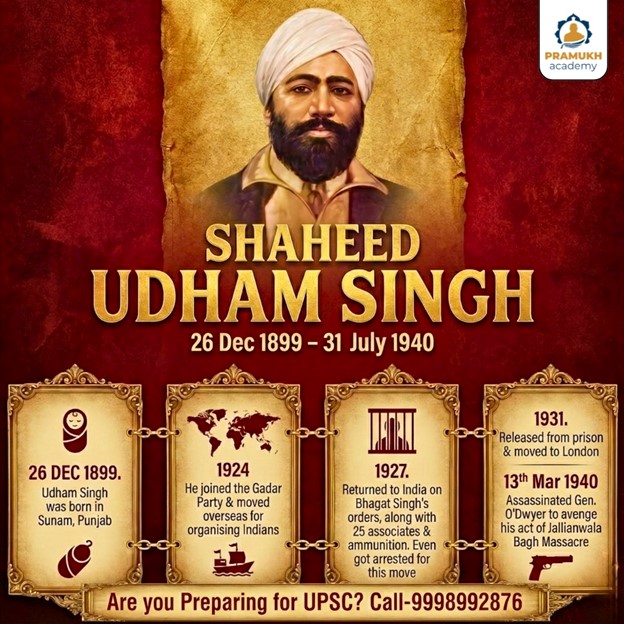
Shaheed Udham Singh: The Courageous Avenger of Jallianwala Bagh
India’s struggle for independence was shaped not only by political movements but also by the fearless acts of revolutionaries who [...]
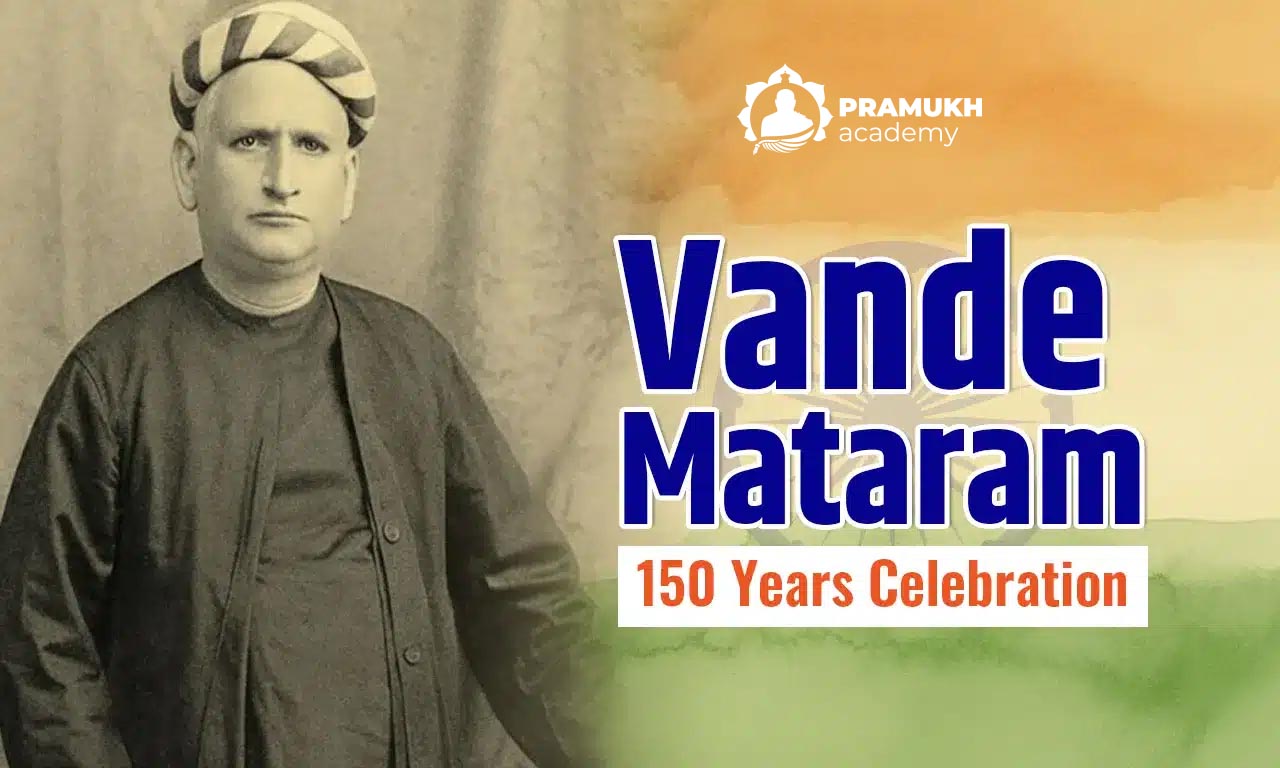
‘वंदेमातरम’ सिर्फ़ गीत नहीं, हमारा संकल्प
दिनांक 7 नवंबर 2025 ये दिन भारतीय इतिहास के स्वर्णिम अक्षरों में लिखा गया है क्योंकि आज से ठीक 150 [...]

UPSC PRATIBHA Setu: A Second Gateway for Aspirants to Shine Beyond the Exam
Every year, lakhs of aspirants appear for the UPSC examination. They dedicate the golden years of their lives and invest their [...]
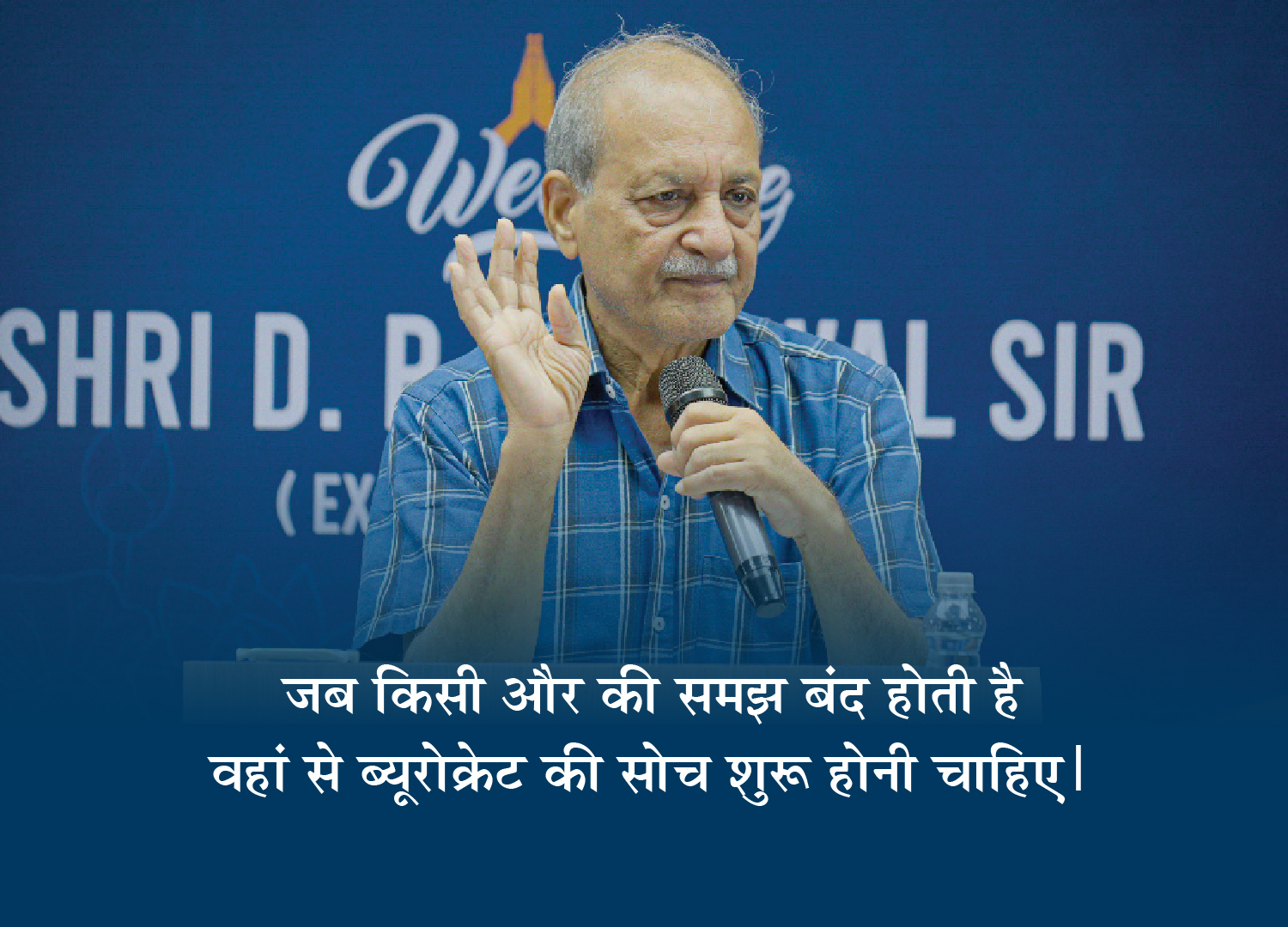
जब किसी और की समझ बंद होती है वहां से ब्यूरोक्रेट की सोच शुरू होनी चाहिए
निश्चित रूप से, Prof. D. P. Agrawal ने सिविल सेवा और यूपीएससी से संबंधित विभिन्न पहलुओं पर एक बहुत ही [...]

International Tiger Day 2025: Date, Importance & Awareness
India, being a host of 70% of global tiger’s population is all set to celebrate international tiger’s day, at this [...]