Introduction
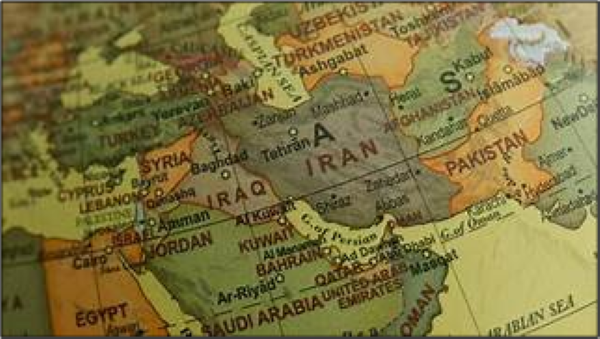
“Decisive new factors in the Iranian conundrum” highlights how Iran’s recurring internal unrest can no longer be viewed as episodic domestic turbulence alone. The editorial argues that structural economic stress, generational discontent, regional power rivalries, and renewed geopolitical pressures have combined to create a far more complex and volatile situation. For India, which has deep civilisational ties and strategic stakes in Iran, understanding these evolving dynamics is essential for calibrated diplomacy in a highly unstable West Asian landscape.
Key Facts From the Article
● Iran has witnessed multiple nationwide protests since 2019, intensifying after 2022.
● Protests are driven by economic stress, sanctions, social freedoms, and governance deficits.
● Iran faces over four decades of U.S.-led sanctions, severely impacting growth and currency.
● Iran plays a central role in regional geopolitics: Gulf security, Israel, Yemen, Iraq, Syria.
● External pressure and internal dissent now reinforce each other.
Key Issues & Insights
Economic Distress as the Core Trigger
- Inflation, unemployment, and currency collapse drive anger.
- Example: Rial depreciation and fuel price protests.
Erosion of Regime Legitimacy
- Clerical authority increasingly questioned by youth.
- Example: Women-led protests against social restrictions.
Sanctions–Protest Feedback Loop
- Sanctions weaken economy → protests rise → sanctions harden.
- Example: Post-JCPOA withdrawal escalation.
External Security Pressures
- Israel, U.S., and Gulf states remain hostile.
- Example: Attacks on Iranian interests in Syria and Iraq.
Uncertain Leadership Transition
- Succession politics add instability.
- Example: Ageing leadership and lack of clear reform pathway.
Global Practices / Comparative Lessons
| China | Combines economic growth with political control to absorb dissent. |
| Vietnam | Gradual economic reform without abrupt political collapse. |
| Cuba | Sanctions resilience through social control and limited reform. |
| Arab Spring Lessons | Suppression without reform leads to prolonged instability. |
| South Africa (1990s) | Negotiated transition prevented state collapse. |
Indian Policy & Strategic Approach
| Non-Alignment / Strategic Autonomy Doctrine | Avoids taking sides in West Asian rivalries. |
| Energy Security Strategy | Diversification to reduce sanctions vulnerability. |
| Chabahar Port Vision | Strategic access to Central Asia bypassing Pakistan. |
| Track-II Diplomacy | Cultural and civilisational engagement with Iran. |
| Economic Pragmatism | Compliance with international norms while safeguarding interests. |
Way Forward
- Adopt Issue-Based Engagement
- Separate civilisational ties from regime politics.
- Revive Chabahar Diplomacy
- Push humanitarian and connectivity exemptions from sanctions.
- Energy Diversification
- Reduce over-dependence on any single West Asian supplier.
- Balanced Regional Outreach
- Maintain ties with Iran, Gulf states, Israel simultaneously.
- Support Diplomatic De-escalation
- Encourage JCPOA revival through multilateral platforms.
- Protect Indian Diaspora & Trade
- Contingency planning for regional instability.
Conclusion
Iran’s internal crisis is no longer a purely domestic affair. It is a regional and global strategic variable. The convergence of economic hardship, social transformation, and external pressure has created a fragile equilibrium that could tilt unpredictably. For India, prudence lies in strategic patience, calibrated engagement, and regional balance, ensuring that its long-term interests in energy security, connectivity, and regional stability are preserved without ideological entanglement.
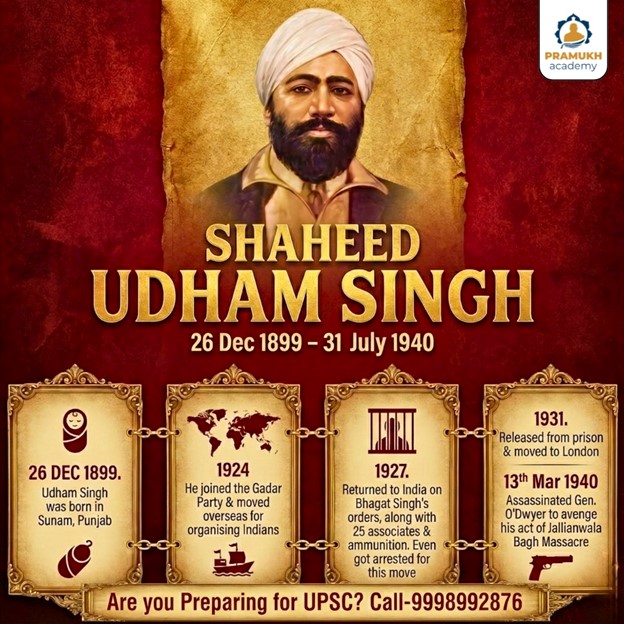
Shaheed Udham Singh: The Courageous Avenger of Jallianwala Bagh
India’s struggle for independence was shaped not only by political movements but also by the fearless acts of revolutionaries who [...]
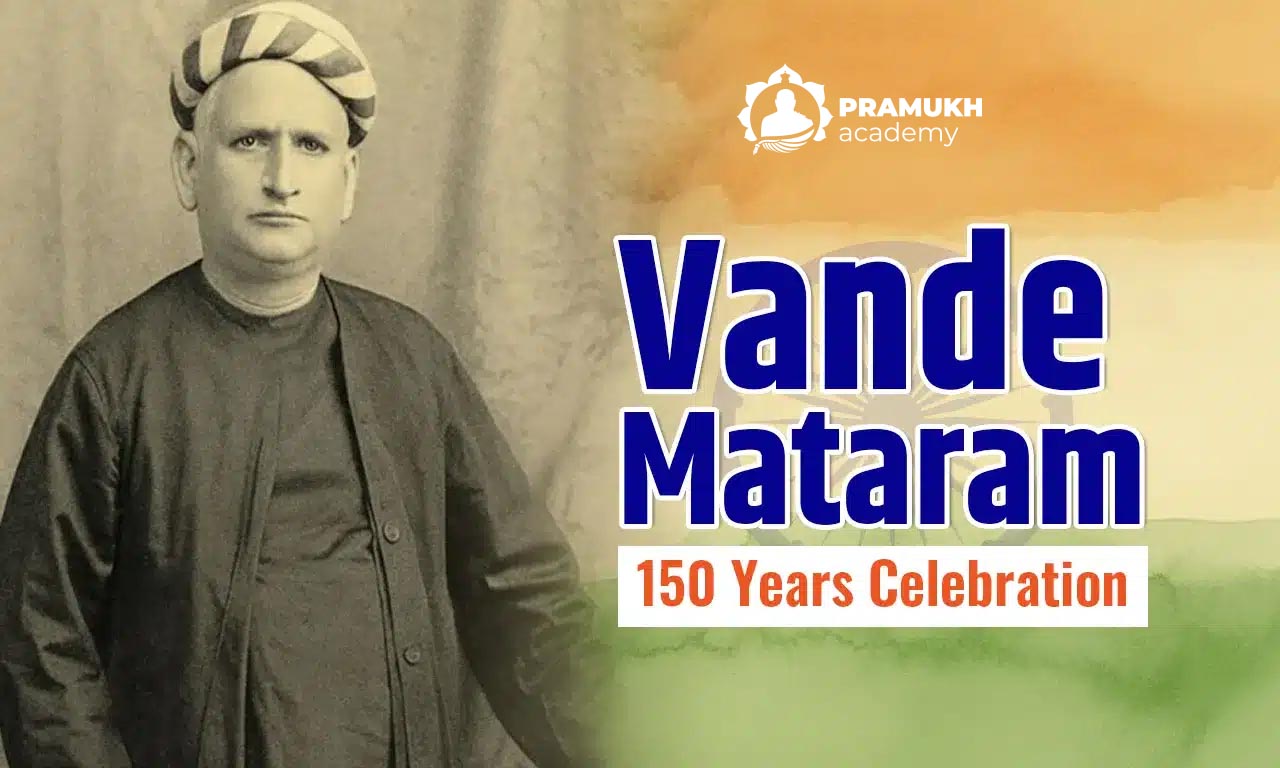
‘वंदेमातरम’ सिर्फ़ गीत नहीं, हमारा संकल्प
दिनांक 7 नवंबर 2025 ये दिन भारतीय इतिहास के स्वर्णिम अक्षरों में लिखा गया है क्योंकि आज से ठीक 150 [...]

UPSC PRATIBHA Setu: A Second Gateway for Aspirants to Shine Beyond the Exam
Every year, lakhs of aspirants appear for the UPSC examination. They dedicate the golden years of their lives and invest their [...]
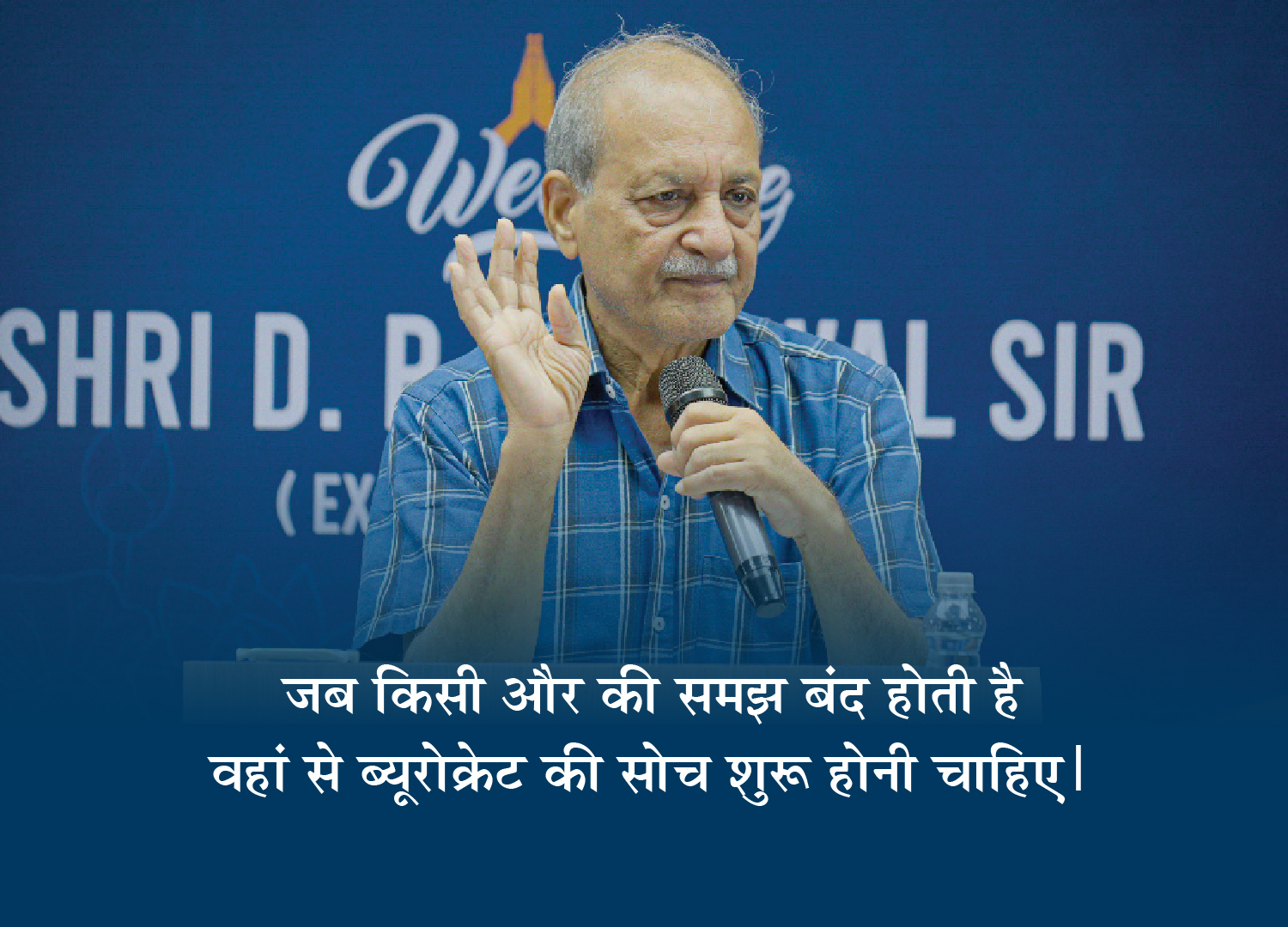
जब किसी और की समझ बंद होती है वहां से ब्यूरोक्रेट की सोच शुरू होनी चाहिए
निश्चित रूप से, Prof. D. P. Agrawal ने सिविल सेवा और यूपीएससी से संबंधित विभिन्न पहलुओं पर एक बहुत ही [...]
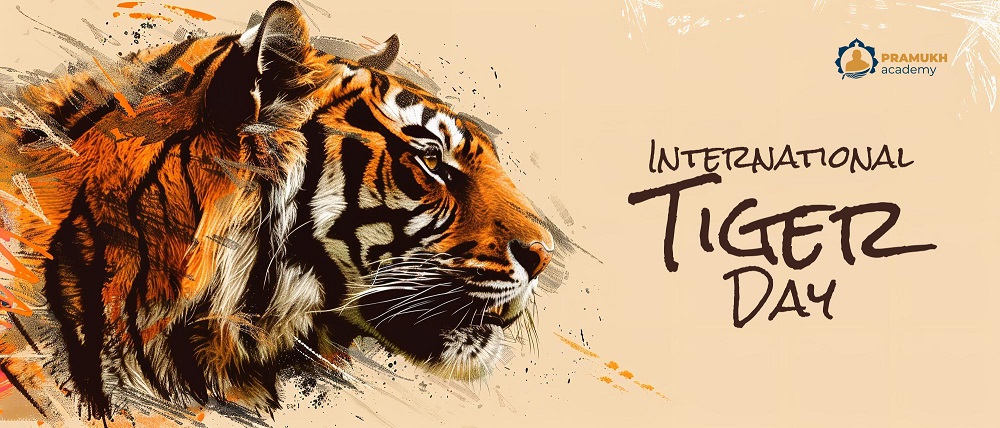
International Tiger Day 2025: Date, Importance & Awareness
India, being a host of 70% of global tiger’s population is all set to celebrate international tiger’s day, at this [...]