Introduction
“A multipolar world with bipolar characteristics” captures the central paradox of today’s international system. While global power is diffusing across multiple states, real strategic contestation is increasingly shaped by the rivalry between two dominant poles—the United States and China. The article argues that beneath the surface of multipolarity lies a deeply polarised global order, marked by strategic blocs, contested norms, and intensifying great-power competition.
Key Facts from the Article
• The post–Cold War unipolar moment of the US is weakening.
• China has emerged as the second-largest economy, nearing parity with the US in PPP terms.
• The Russia–Ukraine war exposed limits of Western dominance and sanctions-based power.
• US alliances (NATO, Quad, AUKUS) are strengthening.
• China is consolidating influence through BRI, technology dominance, and strategic partnerships.
Key Issues Highlighted
- Illusion of Multipolar Equality
- 1. Many states exist, but power concentration remains skewed.
-
- 2. Example: US and China dominate global military, economic, and tech domains.
- Return of Bloc Politics
- 1. Countries increasingly align with either US-led or China-centric systems.
-
- 2. Example: NATO expansion vs China–Russia strategic convergence.
- Ukraine War as a Structural Turning Point
- 1. Exposed fractures in global consensus and limits of Western coercive power.
-
- 2. Example: Global South’s reluctance to fully back Western sanctions.
- Economic Interdependence amid Strategic Rivalry
- 1. Competition exists alongside deep trade linkages.
-
- 2. Example: US–China trade remains substantial despite decoupling rhetoric.
- Strategic Uncertainty for Middle Powers
- 1. States face pressure to choose sides.
-
- 2. Example: India, ASEAN nations balancing autonomy with alignment.
Global Practices / Comparative Perspectives
| Cold War Era | Bipolar stability with ideological rigidity. |
| Post-1991 Unipolar Moment | US dominance without peer competitor. |
| EU Model | Economic power without hard military dominance. |
| China’s Rise | State-led capitalism with strategic expansion. |
| ASEAN Balancing | Hedging between major powers without alignment. |
Insight: Modern multipolarity lacks the stability mechanisms of Cold War bipolarity.
Indian Policy & Strategic Thinking
| Strategic Autonomy Doctrine | Non-alignment 2.0. |
| Multi-alignment Strategy | Quad, SCO, BRICS simultaneously. |
| Act East & Indo-Pacific Vision | Balancing China’s regional assertiveness. |
| Vasudhaiva Kutumbakam | Normative leadership in global governance. |
| Atmanirbhar Bharat | Reducing vulnerability in strategic sectors. |
Way Forward
- Strengthen middle-power coalitions to prevent rigid bipolarity.
- Reform global institutions to reflect new power realities.
- Promote issue-based multilateralism over bloc politics.
- Ensure strategic autonomy through diversified partnerships.
- Stabilise great-power rivalry via crisis-management mechanisms.
- Empower Global South voices to avoid dominance by two poles.
Conclusion
The emerging global order is neither fully multipolar nor purely bipolar. It is a hybrid system where power diffusion coexists with intense rivalry between two dominant actors. Managing this contradiction will determine whether the world moves toward cooperative stability or prolonged strategic fragmentation.
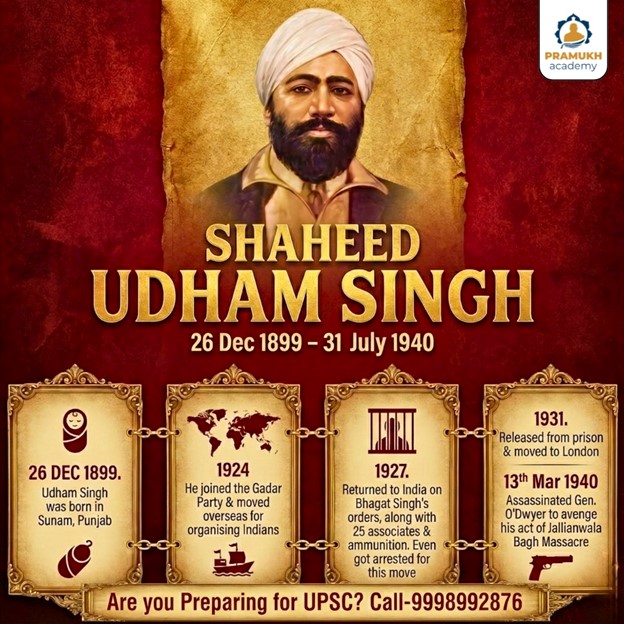
Shaheed Udham Singh: The Courageous Avenger of Jallianwala Bagh
India’s struggle for independence was shaped not only by political movements but also by the fearless acts of revolutionaries who [...]
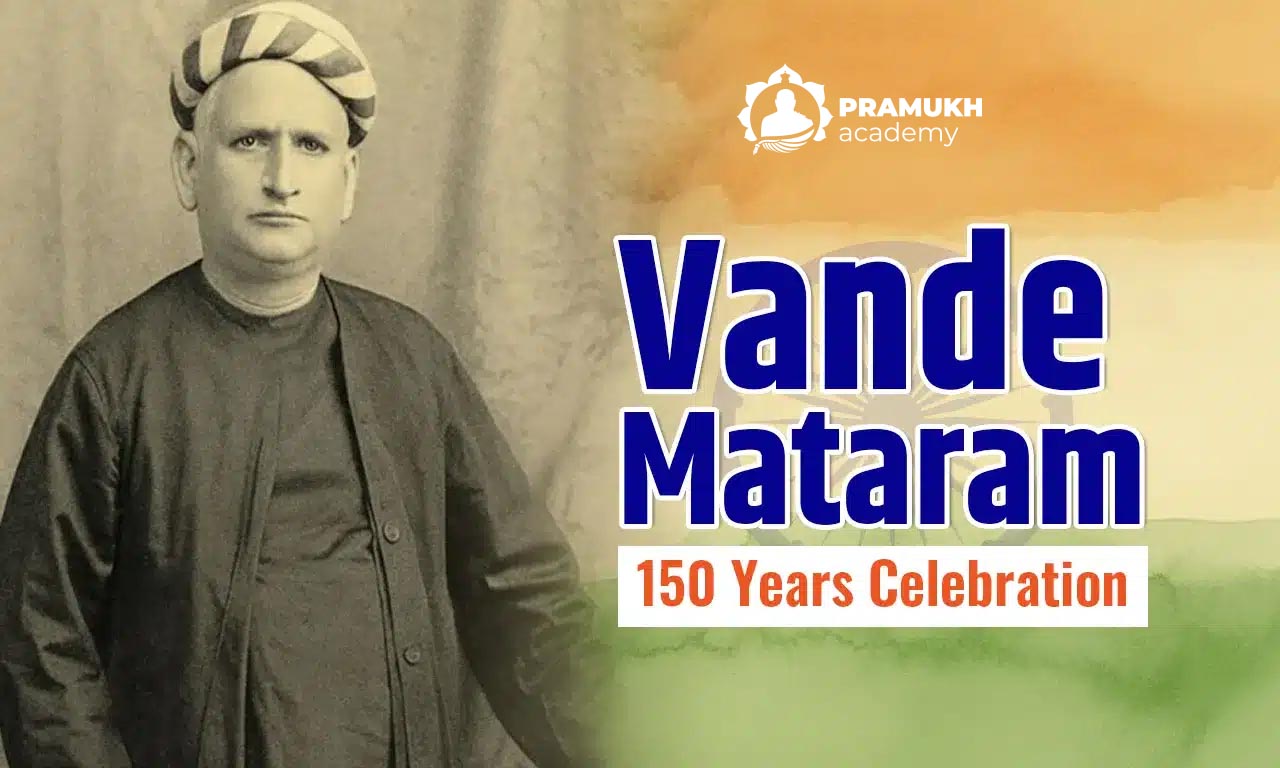
‘वंदेमातरम’ सिर्फ़ गीत नहीं, हमारा संकल्प
दिनांक 7 नवंबर 2025 ये दिन भारतीय इतिहास के स्वर्णिम अक्षरों में लिखा गया है क्योंकि आज से ठीक 150 [...]

UPSC PRATIBHA Setu: A Second Gateway for Aspirants to Shine Beyond the Exam
Every year, lakhs of aspirants appear for the UPSC examination. They dedicate the golden years of their lives and invest their [...]
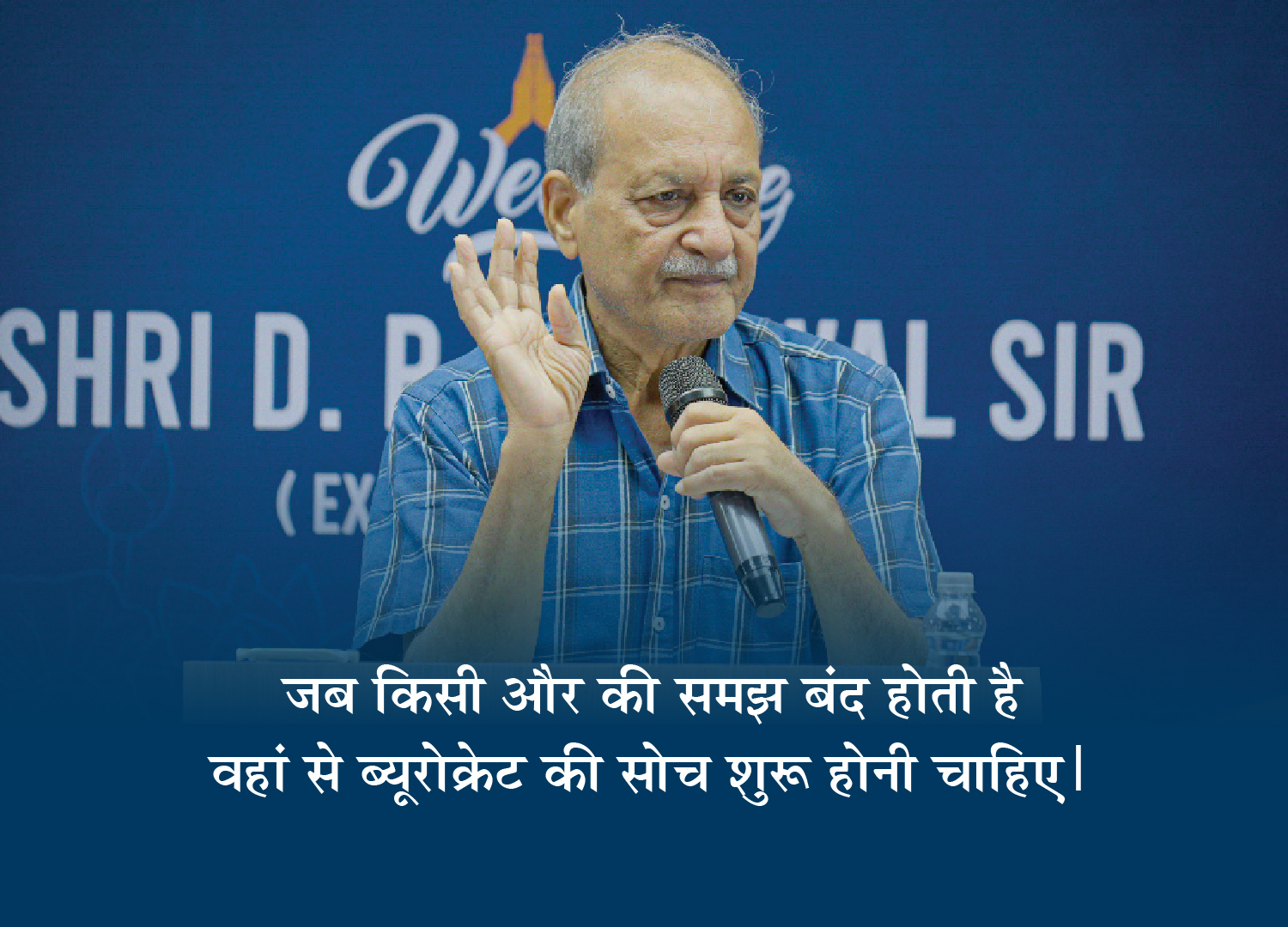
जब किसी और की समझ बंद होती है वहां से ब्यूरोक्रेट की सोच शुरू होनी चाहिए
निश्चित रूप से, Prof. D. P. Agrawal ने सिविल सेवा और यूपीएससी से संबंधित विभिन्न पहलुओं पर एक बहुत ही [...]

International Tiger Day 2025: Date, Importance & Awareness
India, being a host of 70% of global tiger’s population is all set to celebrate international tiger’s day, at this [...]