The Hindu report on NASA’s new images of interstellar Comet 31/ATLAS.
NASA released new images of Comet 31/ATLAS, an interstellar object spotted on July 1. It is only the third known interstellar object identified after ‘Oumuamua and 2I/Borisov.
Key Facts:
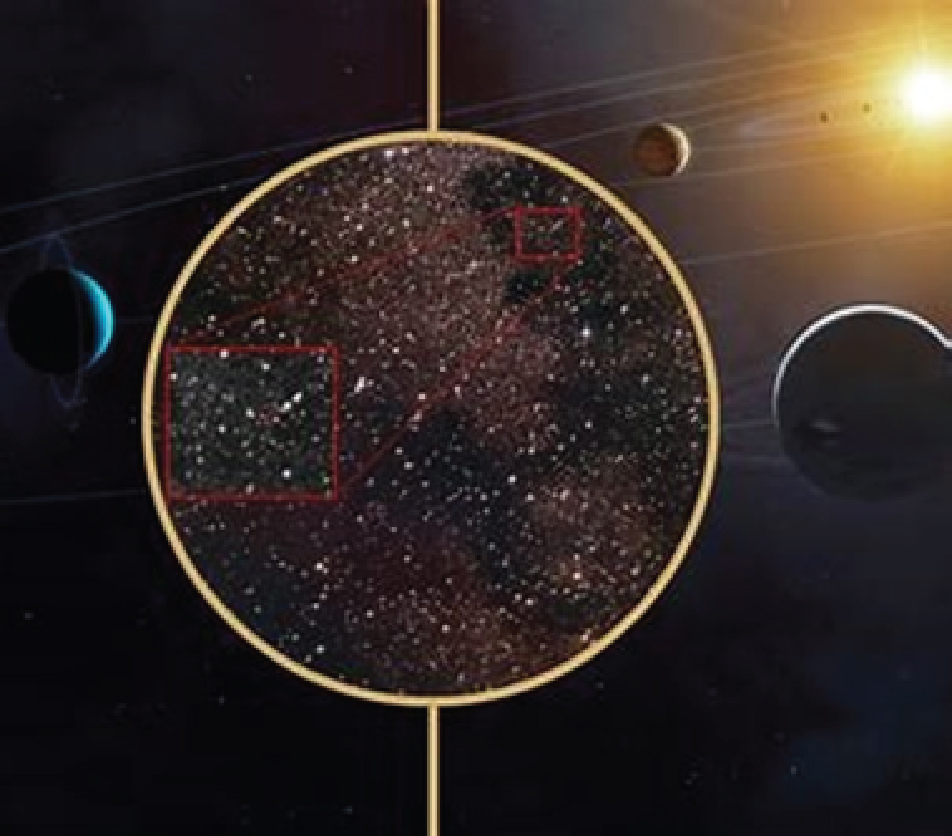
- NASA released new images of Comet 31/ATLAS, observed by ESA/NASA’s SOHO mission.
- 31/ATLAS is an interstellar object, meaning it originated from outside the Solar System.
-
This is the third interstellar object detected so far, after:
- 1I/‘Oumuamua (2017)
- 2I/Borisov (2019)
- Interstellar objects are not gravitationally bound to any star.
- They can come from other solar systems and enter ours due to gravitational interactions or collisions.
- To confirm an object as interstellar, scientists analyze its trajectory.
- Solar System objects (planets, asteroids, comets) typically follow closed elliptical orbits.
- Interstellar objects follow open hyperbolic orbits, meaning:
- They move too fast for the Sun’s gravity to pull them back.
- They pass through the Solar System once and escape permanently.
- Near the Sun (perihelion), they accelerate; far away (aphelion), they slow down—but interstellar objects don’t remain bound.
- High-speed detection makes studying them difficult, but they provide clues to other planetary systems.
Static Information
Source: NASA, ESA, International Astronomical Union (IAU)
- An interstellar object (ISO) is a natural object originating outside the Solar System.
- ‘Oumuamua was the first confirmed ISO—elongated shape, unusual acceleration with no comet tail.
- 2I/Borisov resembled a typical comet and showed water and CO emissions.
- ISOs help scientists understand planet formation, the composition of distant star systems, and galactic dynamics.
- Objects on hyperbolic trajectories (eccentricity > 1) are classified as interstellar.
- Detection uses telescopes like Pan-STARRS, SOHO, and upcoming surveys like the Vera Rubin Observatory.
- Interstellar objects may bring organic material, offering insights into life-building molecules in other star systems.
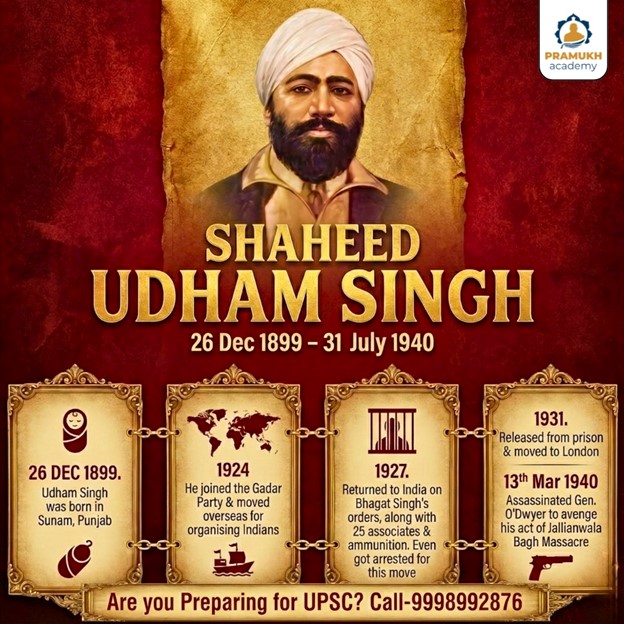
Shaheed Udham Singh: The Courageous Avenger of Jallianwala Bagh
India’s struggle for independence was shaped not only by political movements but also by the fearless acts of revolutionaries who [...]

‘वंदेमातरम’ सिर्फ़ गीत नहीं, हमारा संकल्प
दिनांक 7 नवंबर 2025 ये दिन भारतीय इतिहास के स्वर्णिम अक्षरों में लिखा गया है क्योंकि आज से ठीक 150 [...]

UPSC PRATIBHA Setu: A Second Gateway for Aspirants to Shine Beyond the Exam
Every year, lakhs of aspirants appear for the UPSC examination. They dedicate the golden years of their lives and invest their [...]
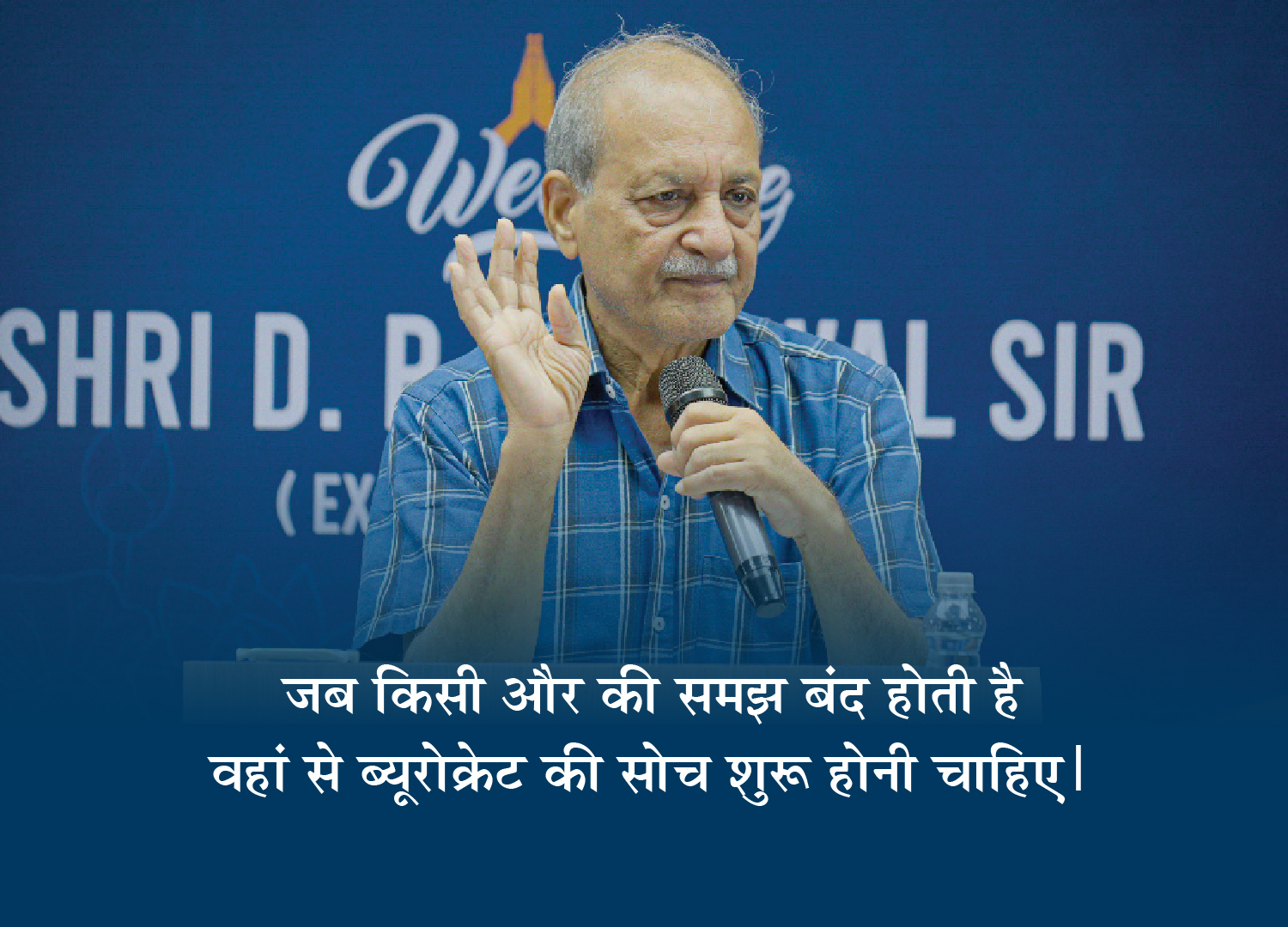
जब किसी और की समझ बंद होती है वहां से ब्यूरोक्रेट की सोच शुरू होनी चाहिए
निश्चित रूप से, Prof. D. P. Agrawal ने सिविल सेवा और यूपीएससी से संबंधित विभिन्न पहलुओं पर एक बहुत ही [...]

International Tiger Day 2025: Date, Importance & Awareness
India, being a host of 70% of global tiger’s population is all set to celebrate international tiger’s day, at this [...]