Source: The Hindu Editorial Analysis, November 2025, Author: Dr. Soumya Swaminathan, Former Chief Scientist, WHO.
Tuberculosis (TB) remains one of the world’s deadliest infectious diseases, claiming millions of lives annually and disproportionately affecting low-resource countries. While treatments have long existed, diagnostic delays and access inequalities continue to fuel transmission and mortality.
The article highlights a pivotal shift driven by portable, point-of-care molecular diagnostics—particularly India-led innovations—that are transforming global efforts to detect, treat, and eradicate tuberculosis. These advancements not only enhance early diagnosis but also reshape the international public health narrative with scalable, low-cost technologies.
Key Issues
- Conventional TB Diagnosis Was Slow & Inaccessible
- Historically, it relied on sputum smear microscopy or culture tests, which take weeks.
- Poor sensitivity often delays treatment initiation.
- Example: Central-lab culture results could take up to 6 weeks, causing disease progression and further transmission.
- Innovation Gap in Low-Resource Countries
- High-burden countries lacked affordable, portable molecular diagnostics.
- Example: Many rural health centres in Africa and Asia have no central laboratory support.
- Challenges in Diagnosing Drug-Resistant TB
- Multi-drug resistant TB (MDR-TB) requires the quick identification of the rifampicin resistance gene.
- Example: Before portable PCR tools, many patients received wrong or delayed treatment.
- Diagnostic Barriers in Children
- Children struggle to produce sputum samples.
- Example: Nigeria is experimenting with stool-based Truenat tests, enabling easier pediatric diagnosis.
- Persistent Social and Health Determinants
- Under-nutrition, poverty, and weak surveillance systems hinder TB elimination.
- Example: Studies indicate that undernutrition contributes to ~40% of TB burden in India.
Global Practices
| WHO-Endorsed Point-of-Care Diagnostics | WHO approved Truenat, GeneXpert, and other portable PCR platforms.
These devices enable rapid, decentralised testing worldwide. |
|---|---|
| Community-Based TB Screening (Africa) | Mobile clinics in Mozambique and Tanzania provide on-site testing and immediate treatment.
Reduced diagnostic delays significantly. |
| Kochon Prize Initiatives | Recognises global innovations in TB control, emphasising technological and community-driven solutions. |
🇮🇳 Indian Committees / Government Recommendations
| National TB Elimination Programme (NTEP) | Recommends universal molecular testing for all suspected cases.
Mandates decentralised testing through Truenat and GeneXpert. |
|---|---|
| India TB Report (Various years) | Strengthen active case finding
Nutrition support (Nikshay Poshan Yojana) Drug-resistance surveillance expansion |
| ICMR Scientific Task Force on TB | Advocates innovation in diagnostics, shorter regimens, and AI-based tools. |
| National Strategic Plan for TB (2020–25) | Calls for point-of-care diagnostics at all Primary Health Centres.
Integration of private sector and community volunteers for early detection. |
Way Forward
1. Scale Up Universal Access to Molecular Diagnostics
- Ensure every district and PHC has portable PCR devices.
- Subsidise test costs to ensure equity.
2. Integrate TB Care with Nutrition, Social Protection & Mental Health
- Expand Nikshay Poshan Yojana, livelihood support, and community outreach.
- TB is not just a medical issue—it is a social disease.
3. Strengthen Surveillance and Digital Tracking
- Use AI-based chest X-ray interpretation.
- Integrate TruNat results into a national real-time dashboard.
4. Foster Public–Private Partnerships
- Scale manufacturing of indigenous diagnostics.
- Use CSR funds for mobile clinics in remote areas.
5. Support Global South Collaboration
- Share India-led solutions with Africa & Asia.
- Expand South-South innovation exchange networks.
6. Invest in R&D for Better Vaccines & Shorter Treatment Regimens
- Enhance funding for ICMR, biotechnology startups, and pharma.
- Accelerate trials for TB vaccines, such as MIP & VPM1002.
Conclusion
India’s TB innovations—especially portable diagnostics like Truenat—are redefining global TB eradication efforts. Yet, technology alone cannot eliminate TB. A holistic approach integrating innovation, nutrition, social support, community engagement, and sustained political commitment is vital.
With timely diagnosis, equitable access, and strong partnerships, India and the world can move closer to a TB-free future.
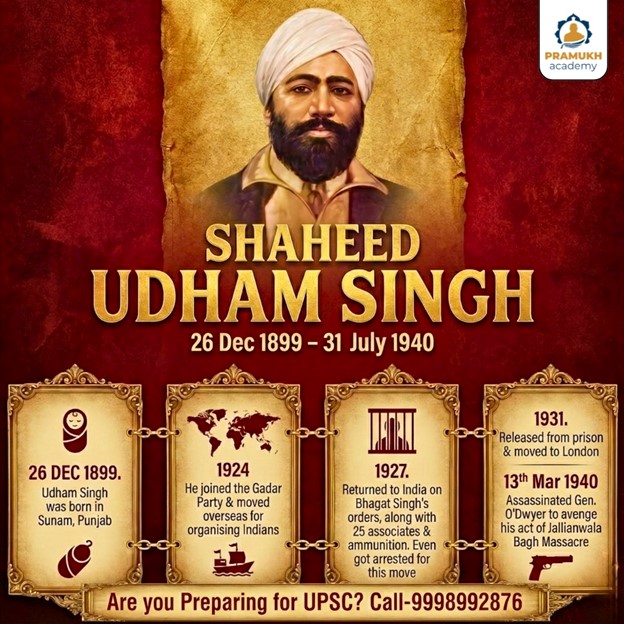
Shaheed Udham Singh: The Courageous Avenger of Jallianwala Bagh
India’s struggle for independence was shaped not only by political movements but also by the fearless acts of revolutionaries who [...]
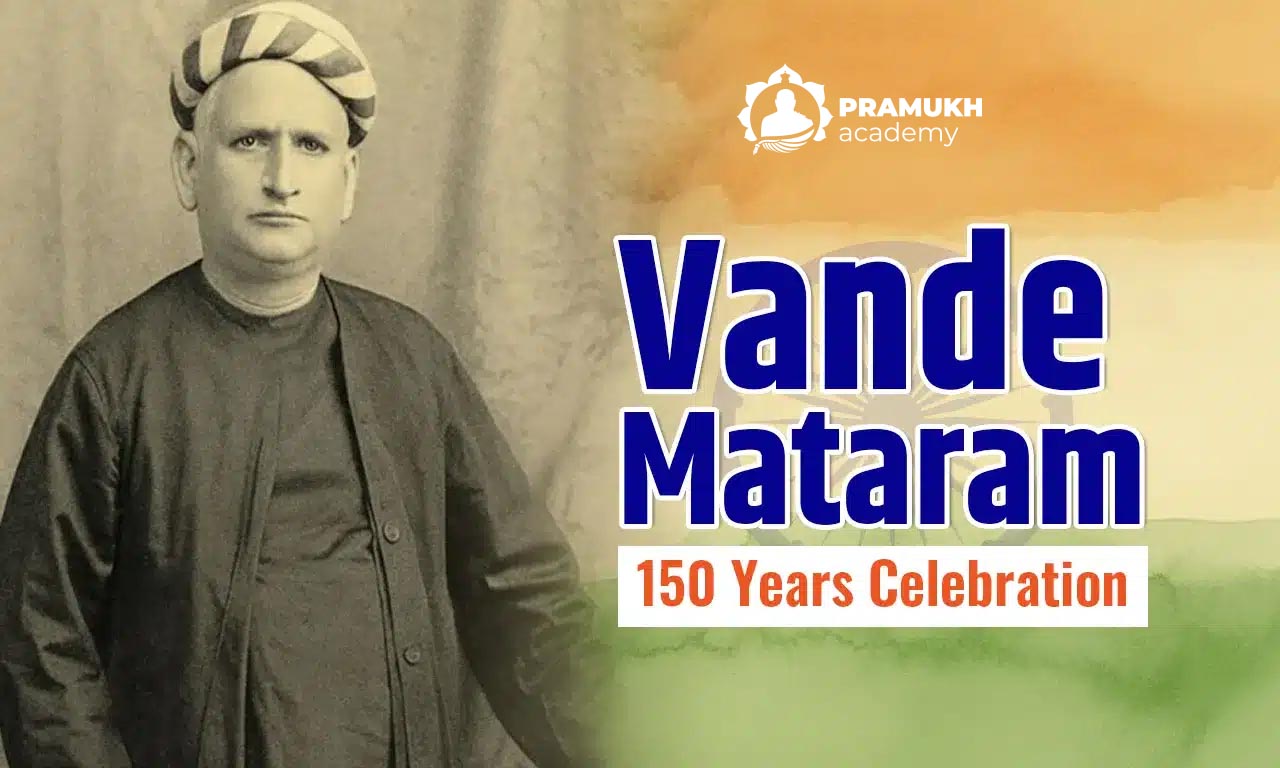
‘वंदेमातरम’ सिर्फ़ गीत नहीं, हमारा संकल्प
दिनांक 7 नवंबर 2025 ये दिन भारतीय इतिहास के स्वर्णिम अक्षरों में लिखा गया है क्योंकि आज से ठीक 150 [...]

UPSC PRATIBHA Setu: A Second Gateway for Aspirants to Shine Beyond the Exam
Every year, lakhs of aspirants appear for the UPSC examination. They dedicate the golden years of their lives and invest their [...]
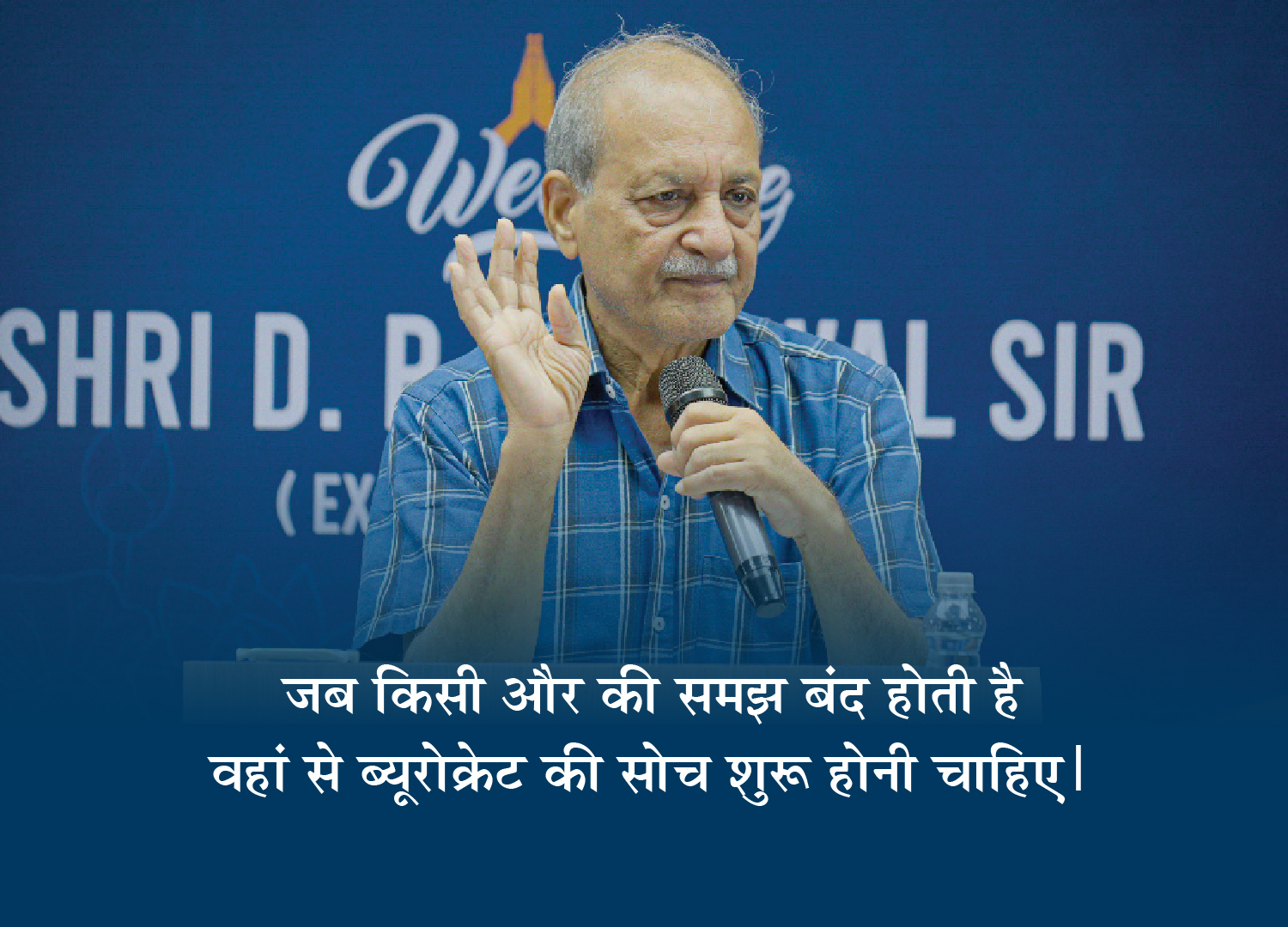
जब किसी और की समझ बंद होती है वहां से ब्यूरोक्रेट की सोच शुरू होनी चाहिए
निश्चित रूप से, Prof. D. P. Agrawal ने सिविल सेवा और यूपीएससी से संबंधित विभिन्न पहलुओं पर एक बहुत ही [...]

International Tiger Day 2025: Date, Importance & Awareness
India, being a host of 70% of global tiger’s population is all set to celebrate international tiger’s day, at this [...]