
Source: The hindu
India’s Fisheries and Aquaculture: A Promising Growth Story
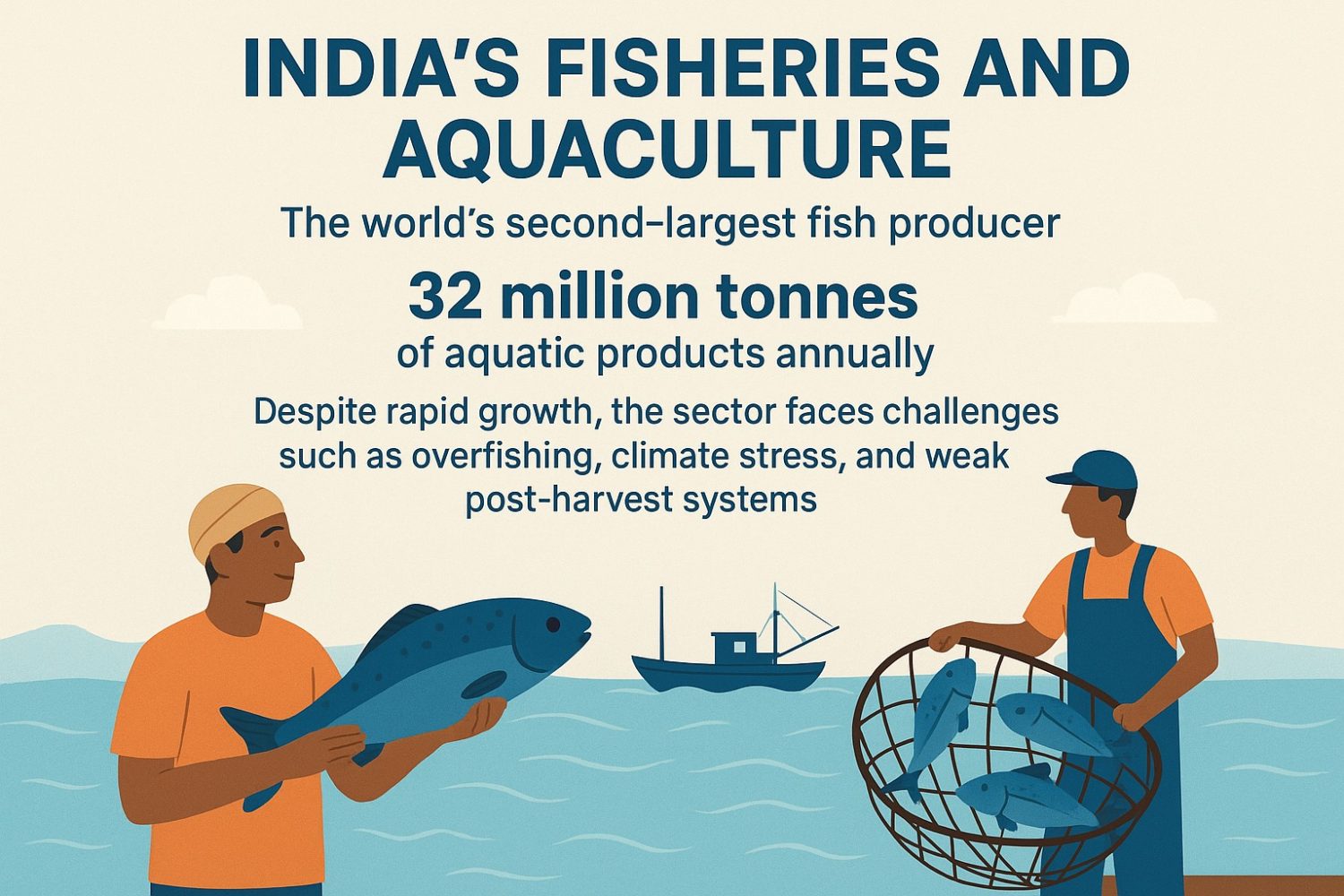
India is the world’s second-largest producer of fish, generating 32 million tonnes (2022) of aquatic products valued at ₹3.3 lakh crore, according to FAO-SOFIA 2024. Over the past decade, India’s fisheries and aquaculture sectors have expanded rapidly due to technological innovation, institutional support, coastal aquaculture reforms, and schemes like PMMSY. Yet, despite 90% of fishers being small-scale, the sector continues to face challenges such as overfishing, pollution, climate stress, lack of credit, weak traceability, and poor post-harvest infrastructure, limiting global competitiveness and domestic sustainability.
Key Issues
1. Overfishing and Environmental Stress
-
FAO notes depletion of several species in India due to
overextraction,
pollution, and habitat loss.
- Coastal aquaculture often strains ecosystems through nutrient loading, salinity changes, and land degradation.
2. Limited Access for Small-Scale Fishers
- >90% of fishers are small-scale, but they face constraints in:
- formal credit
- cold-chain logistics
- modern boats and gear
- quality seed and feed
- Result: Loss of income and poor integration into high-value export chains.
3. Weak Value-Chain Infrastructure
- India’s post-harvest losses exceed 20–25%, reducing export potential.
- Traceability and certification requirements for EU/US markets still lag behind global benchmarks.
4. Climate Change Vulnerability
- Increasing sea temperatures, acidity, cyclones and coastal erosion directly reduce fish stocks and fishing days.
- Inland aquaculture faces challenges related to water scarcity and extreme rainfall cycles.
5. Policy and Regulatory Gaps
- Fragmented institutional oversight between Centre, States, and coastal authorities slows approvals.
- Monoculture plantations (e.g., shrimp-only farms) reduce biodiversity and long-term sustainability.
Global Practices
1. Norway – Digital Traceability Leadership
- Uses blockchain-enabled systems for complete traceability “boat-to-plate”.
- India can adopt similar mechanisms for export competitiveness.
2. Vietnam – Farmer Clusters for Aquaculture
- Organises small farmers into cooperatives for quality control, feed purchases, and market access.
3. Chile – Climate-Resilient Aquaculture Zones
- Regulates aquaculture spatially to reduce disease risk and environmental strain.
4. Japan – Integrated Port Infrastructure
- Modern fishing harbours provide cold storage, processing, and logistics, boosting value addition.
Indian Committee Recommendations
1. FAO–BOBLME Small Fisheries Report
- Strengthen coastal ecosystem management, co-management, and post-harvest improvements.
2. Meenakshi Committee (Export Competitiveness)
- Calls for modernising fishing harbours, boosting food safety labs, and global traceability compliance.
3. National Fisheries Development Board (NFDB)
- Promote species diversification, RAS (Recirculatory Aquaculture Systems), and modern hatchery technology.
4. Blue Revolution & PMMSY Review Committees
- Strengthen digital fishery records, expand “Matsya Seva Kendras”, and ensure climate adaptation support.
Way Forward
1. Strengthen Small-Scale Fisheries
Expand formal credit through Kisan Credit Card—Fisheries Edition.- Organise fishers into FPOs/cooperatives to enhance bargaining power.
2. Climate-Resilient Aquaculture
- Promote IMTA (Integrated Multi-Trophic Aquaculture), low-carbon shrimp farming, and climate-resilient seed varieties.
3. Modernise Fishing Harbours
- Implement FAO Technical Cooperation Projects to upgrade processing, storage, and value addition facilities.
4. Ensure Traceability and Certification
- Create a national digital traceability platform, especially for shrimp and seabass exports.
5. Promote Sustainable Aquaculture Practices
- Reduce monoculture; increase native species production; adopt water-efficient, land-efficient farming systems.
6. Strengthen Research & Innovation
- Invest in genomics, disease-resistant broodstock, data-driven fishery forecast models.
Conclusion
India’s fisheries and aquaculture sectors are on a high-growth, high-potential trajectory, supported by reforms, technology, and global demand. However, future success requires shifting from volume-based expansion to sustainable, climate-resilient, community-centric growth. Strengthening small-scale fishers, adopting global best practices, and modernising value chains will define India’s leadership in the Blue Economy.

Shaheed Udham Singh: The Courageous Avenger of Jallianwala Bagh
India’s struggle for independence was shaped not only by political movements but also by the fearless acts of revolutionaries who [...]
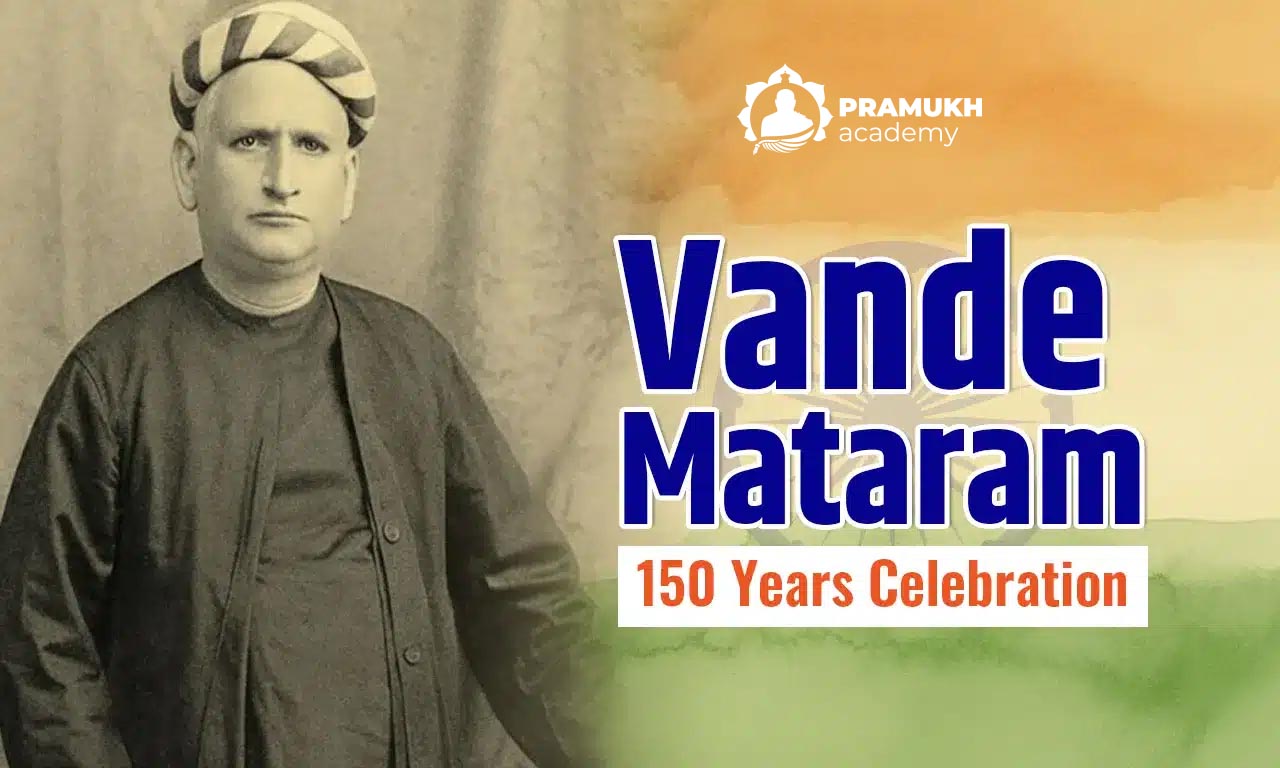
‘वंदेमातरम’ सिर्फ़ गीत नहीं, हमारा संकल्प
दिनांक 7 नवंबर 2025 ये दिन भारतीय इतिहास के स्वर्णिम अक्षरों में लिखा गया है क्योंकि आज से ठीक 150 [...]

UPSC PRATIBHA Setu: A Second Gateway for Aspirants to Shine Beyond the Exam
Every year, lakhs of aspirants appear for the UPSC examination. They dedicate the golden years of their lives and invest their [...]
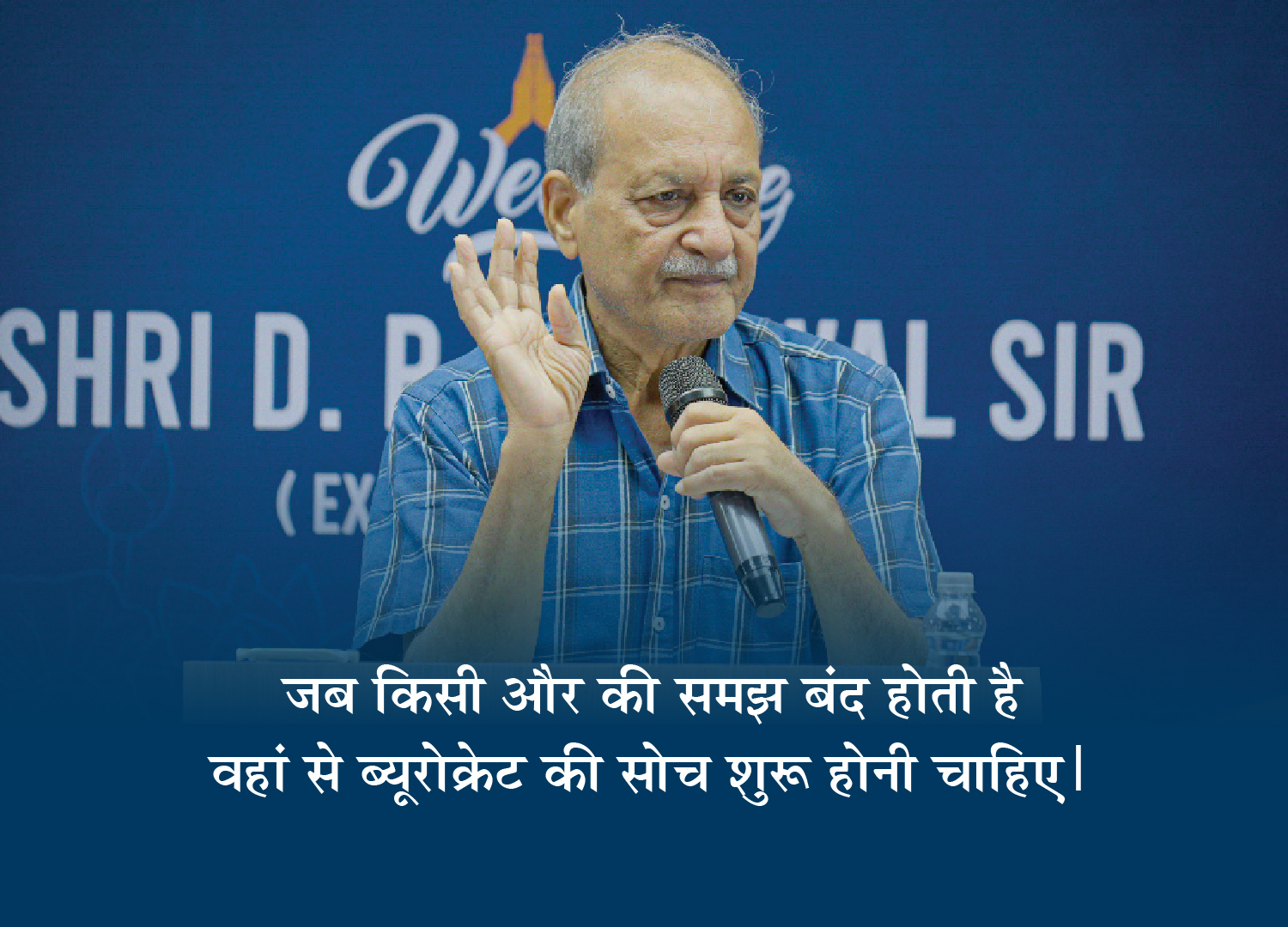
जब किसी और की समझ बंद होती है वहां से ब्यूरोक्रेट की सोच शुरू होनी चाहिए
निश्चित रूप से, Prof. D. P. Agrawal ने सिविल सेवा और यूपीएससी से संबंधित विभिन्न पहलुओं पर एक बहुत ही [...]
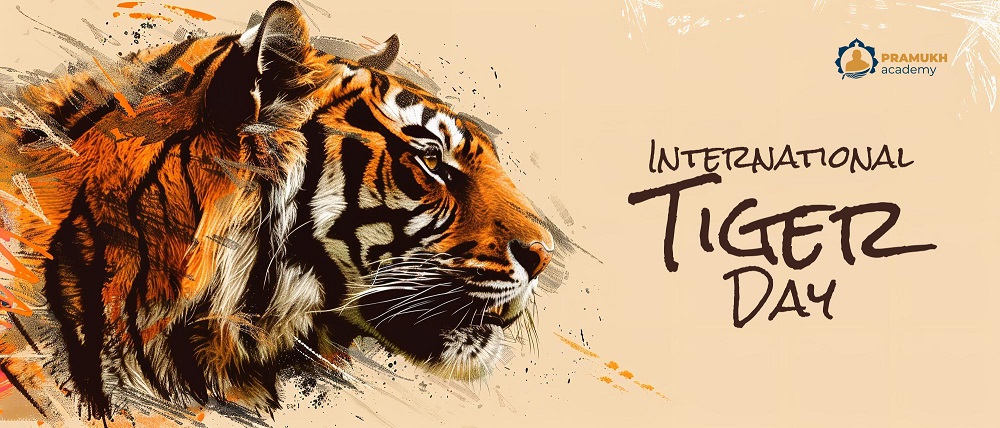
International Tiger Day 2025: Date, Importance & Awareness
India, being a host of 70% of global tiger’s population is all set to celebrate international tiger’s day, at this [...]