Study Effectively – Indentify Your Learning Patterns
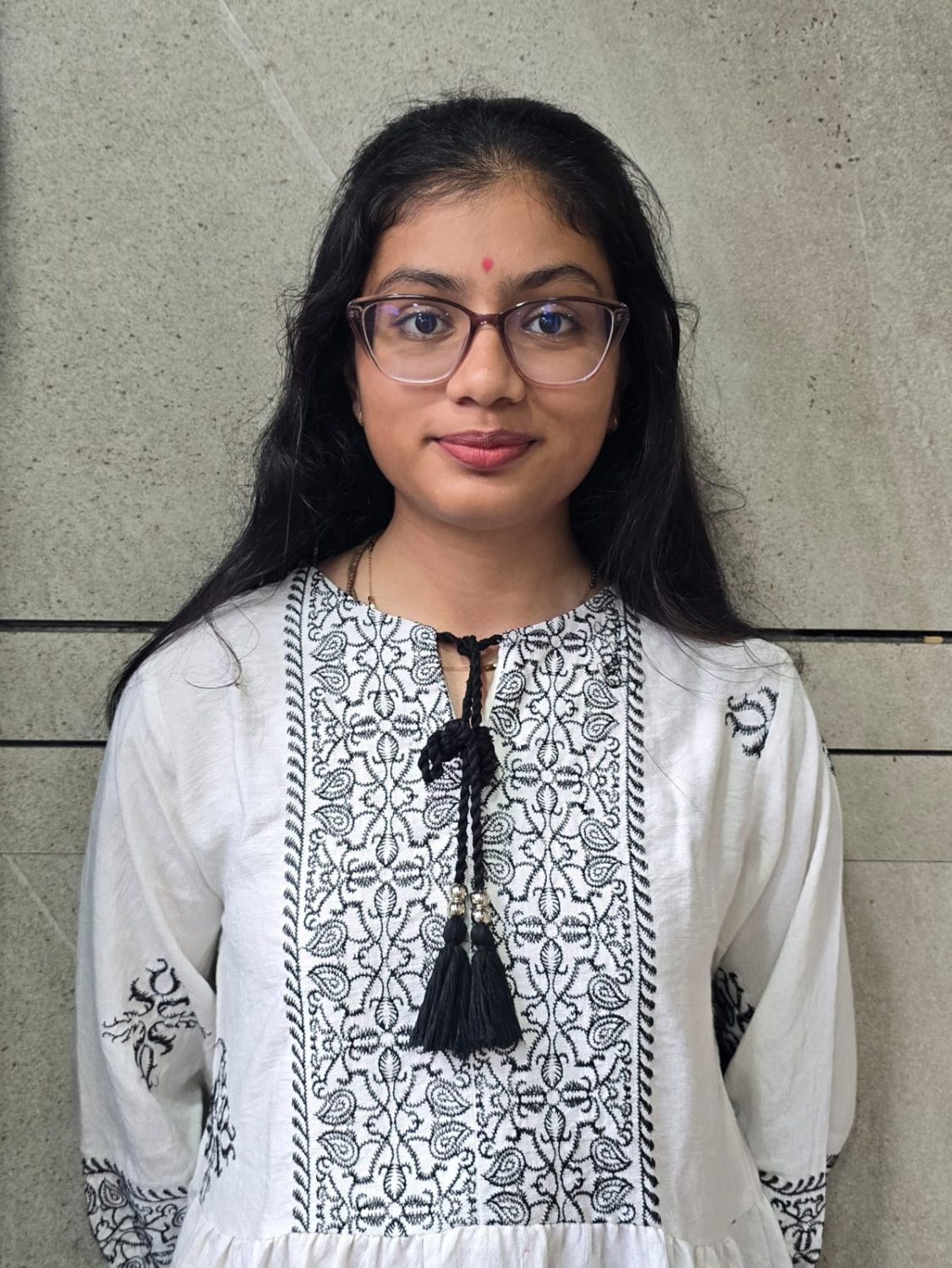
by Prapti Parmar
Study Effectively PART : 1
Identify your learning Pattern
Activity : 1
| Problem | Solution |
| • Incomplete book | • Do daily work. |
| • Poor time management. | • Plan time table or schedule. |
| • Exam fear and stress | • Practice previous year question and do revision. |
| • Question that ask out of syllabus. | • Try to read extra book or to get extra knowledge. |
| • Poor concentration | • Do meditation and keep Mobile phone away. |
| • Forgetting what is studied. | • Revise within 24 hours and make short notes and mind maps. |
Gyanvijay Swami :
Identify your learning patterns
1. What is learning pattern?
- How we absorb, process, and retain information.
- Five Senses : [જ્ઞાનેન્દ્રિયો -Ear, Eye, Nose, Hand/Touch, Mouth/Tongue]
-
Example
- One prefers hands-on activities - learns through doing.
- One prefers visuals - learns through seeing. Different style - Different strength.
- There are 170 learning styles [Patterns] globally.
- The VARK model highlights the four most common and practical styles.
1. → Visual learners [V]
- Prefers images, diagrams, charts and color coded notes etc.
2. → Auditory learners [A]
- Learn best by hearing or listening the concept.
3. → Reading / Writing learners [R]
- They emphasize text-based learning and benefit from reading and writing activity.
4. → Kinesthetic learners [K]
- They learn best through doing and experiencing they prefer physical activities.
- These VARK types are the four main learning styles.
-
Logical / Analytical learners : – These learners rely on logic and analytical skills to understand subjects. – They look for connections, causes, patterns and results in their learning.
-
Social / Linguistic learners : – Social learners favour educational activities that involve participation. – They used various communication activities like asking questions and sharing stories.
-
Solitary learners : – They prefer to study alone without interacting with other. – They do activities like keeping a diary and solving problems independently.
-
Nature learners : – These learners prefer calm, relaxing study environment. – They integrating nature-related examples into lessons and it will be beneficial for them.
Who discovered VARK model and when?
- In 1992, Neil D. Fleming and Colleen E. Mills.
- Neil D. Fleming was a teacher from New Zealand.
- Colleen E. Mills was his colleague who worked with him.
Benefits of knowing learning pattern :
- Improved learning efficiency
- Enhanced motivation and engagment.
- Increased confidence.
- Effective study habits.
- Fostering lifelong learning skills.
- Leads to better education outcomes.
To find more two unique learning patterns.
-
Teach to learn Pattern [Pretend you are teacher]
-
Goal learning Pattern [Big syllabus → broke into tiny achievable goals]
-
Energy based Pattern [Match task by your energy level]
-
Example:- High energy : Hard or new topic
-
Medium : Revision
-
Low : Summaries, video etc
Activity : 2
- Observe the whole class for a while and then close your eyes and write what we remember.
PART :- 2
1. Visual Learner
Visual learning tecqunics
- Visual Organization
- Hierachy wise Idea distribution
- Use of colors. Example :- Mind map.
Colour coding
- Categorization of colours
- Organize Information
- Underline - Highlight of colours Example : 🟥 - Important Date. 🟦 - Definitions. 🟩 - Key concepts.
Flashcards and Image
- Memory boost
- Scientific concepts
- Learning Vocabulary.
Diagram and Flowchart
- Visual simplification
- Grasp complex information
- Sequential learning
Symbols and icons
- Icon Association
- Used to Represent idea
- Create own set of symbols Example :- ⭐️ - Important 🔲 - Bold something
Visual learning Apps
- Mind Meister, Quizlet, Canva, etc.
- Use interactive tools to Boost learning
- Increases productivity [Mind Meister = Mind Mapping App]
Visual study environment
- Visual set-up
- Organised space
- Lightning
Visual Time Management Tools
- Color coded calendar
- Visual to-do list
Collaboration with Peers
- Group projects
- Peer teaching
- Study groups
Activity : 3
- Observe around the school campus and then write what you remember through the observation of 12 minutes.
Revise the Activity : 3.
2. Auditory Learners
Effective group participation
- Join study groups
- Teaching others
- Ask questions
Utilize Audio books
- Audiobooks
- Podcasts
- Recorded lecture
Use Mnemonics and Rhymes
- Create Rhyme
- Mnemonic Devices
- Musical Memory Aids Example :- My Very Educated Mother Just Servered Us Noodles. [MVEMJSUN] M = Mercury, V = Venus, E = Earth, M = Mars, J = Jupiter, S = Saturn, U = Uranus, N = Neptune.
Mastering Active listening
- Focus on Tone and Emphasis
- Repeat Information
- Participate in Question/Answer sessions.
Record and Replay Notes
- Record lecture
- Voice Memos
- Replay and Review
Engage with Audio Based learning Tools
- Language Learning Apps.
- Interactive Audiobooks.
- Mastering Online Audio courses.
Implement Verbal Repetition and Recitation
- Recite notes loud
- Teach others Verbally.
- Repeat Key Terms.
Create & Review Audio summaries
- Summarize Content
- Nightly Reviews
- Use Audio Flashcards.
PART :- 3
3. Reading / Writing Learners
Leverage Written Resources
- Textbooks and Articles
- Online Resource
- Class Notes
Develop effective Notes [Summary]
- Organized Notes
- Use Flashcards
- Summarize Information
Engage in Writing Exercises
- Practise Writing
- Write Summaries
- Develop Study Guides
Employ Reading Strategies
- Skim & Scan
- Annotate and Highlights
- Re-read and Review
Organized Reading and Writing Space
- Quiet Environment
- Essential Tools
- Organized Materials
Study with written instructions
- Request written Instruction
- Follow written steps
- Document each step
Use digital Tools for Writing
- Digital Note
- Taking apps
- Writing software for essays
Engage with written Practise Questions
- Work on case studies
- Use practice questions
Reading / Writing Collaboration Techniques
- Join study groups
- Exchange written summary
- Engage in peer review
Reflection and self Assessment
- Reflective journaling
- Write for self assessment
- Identify knowledge gaps
4. Kinesthetic Learners
1. Active learning Techniques
Hands on Activity
- Science Experiment
- Role-play science process
Writing and Note Taking
- Mind Mapping
- Summarization
- Doodle Notes
Manipulatives and Tools
- Interactive Software
- Flashcards
- Mathematical Manipulatives
2. Movement based learning
Incorporating Physical Movement
- Walking while studying
- Exercise Breaks
- Interactive learning games
Use of gestures
- Gesturing Definitions
- Sign language
Physical study environment
- Standing Desks
- Flexible seating
- Study corners
3. Engaging the senses
Multi-sensory learning
- Textured materials
- Tasting and smelling
- Scented Pens or Markers
Project Based learning
- Culinary Projects
- DIY Projects
- Art Projects
Real life Applications
- Field Trips
- Volunteer Work
- Simulations
4. Memory and study Techniques
Chunking Information
- Flashcards
- Sequential learning
- Color-coding
Repetition with Variation
- Interactive Quizzes
- Different Mediums
- Physical Rehearsal
Use of Technology
- Educational Apps
- Touchscreen Devices
5. Adapting Tradition
Note-Taking and study guides
- Interactive Notebooks
- Sketch Notes
- Sticky Notes
Group study
- Role-Playing games
- Physical games
- Group Projects
Problem solving
- Interactive-Discussions
- Tangible Problem Models
- Puzzles and Brain Teasers
How to Identify your learning style
- Questionnaires and Inventories
- Observation
- Self-Reflection
- Experimentation
- Feedback from Peers
- Parent / Teacher Feedback
*Caution - Avoid limiting yourself.
- Don't lock yourself into just one style
- Develop other learning Patterns
- Combine & Personalize your style.
Prapti Lalitkumar Parmar, Std – 10th Com
Educator – Ms. Krupa Lakhani
BAPS SWAMINARAYAN VIDYAMANDIR, SURAT