News
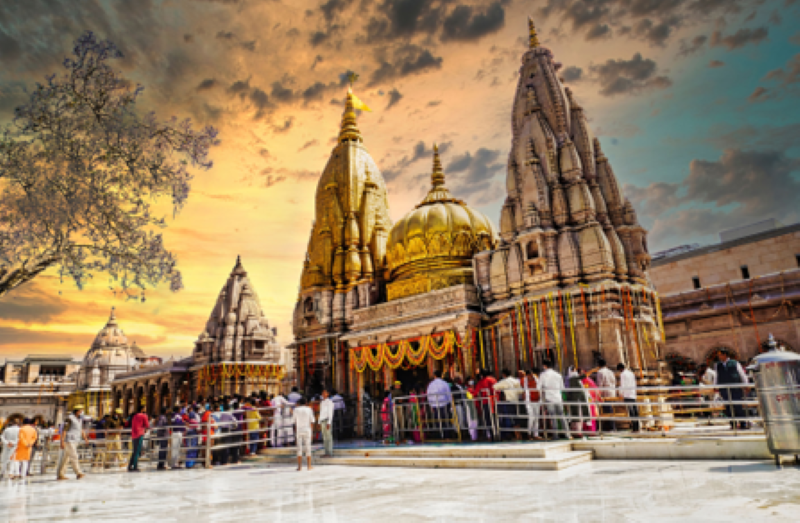
As tensions over the deepasthoon issue eased in Madurai, devotees were allowed to visit both the Kasi Viswanathar Temple and the Sikkandar Dargah at Thiruparankundram hill, though access near the deepasthoon site remained restricted. The move followed judicial intervention and heightened police deployment to maintain communal harmony.
Key Points
- Issue background: Tensions arose over the lighting of Karthigai Deepam at a deepasthoon (sacred pillar) located near the dargah.
- Judicial role: The Madras High Court quashed the prohibitory order restricting movement but allowed the administration to regulate access.
- Police action: Madurai City Police permitted controlled entry to both the temple and dargah while preventing access close to the deepasthoon.
- Communal sensitivity: Authorities aimed to avoid escalation amid protests by political and religious groups.
- Festival context: The decision came ahead of Santhanakoodu and Karthigai Deepam observances.
Static Info (Prelims Notes)
- Deepasthoon: A pillar traditionally used for lighting ceremonial lamps during festivals like Karthigai Deepam.
- Article 25 (Indian Constitution): Guarantees freedom of conscience and the right to freely profess, practice, and propagate religion subject to public order.
- Preventive powers: Section 144 CrPC empowers authorities to impose prohibitory orders to prevent breach of peace.
- Judicial balance: Courts often uphold administrative restrictions when required to maintain public order and communal harmony.
- Thiruparankundram: A prominent religious hill in Madurai associated with both Hindu and Islamic places of worship.
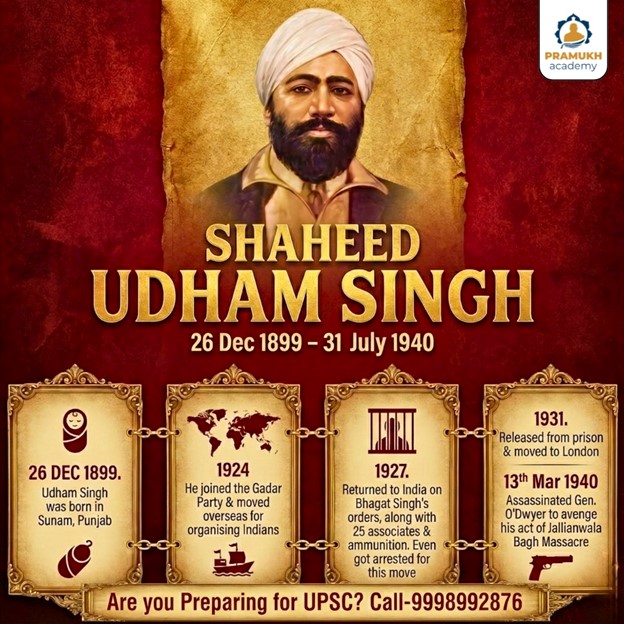
Shaheed Udham Singh: The Courageous Avenger of Jallianwala Bagh
India’s struggle for independence was shaped not only by political movements but also by the fearless acts of revolutionaries who [...]
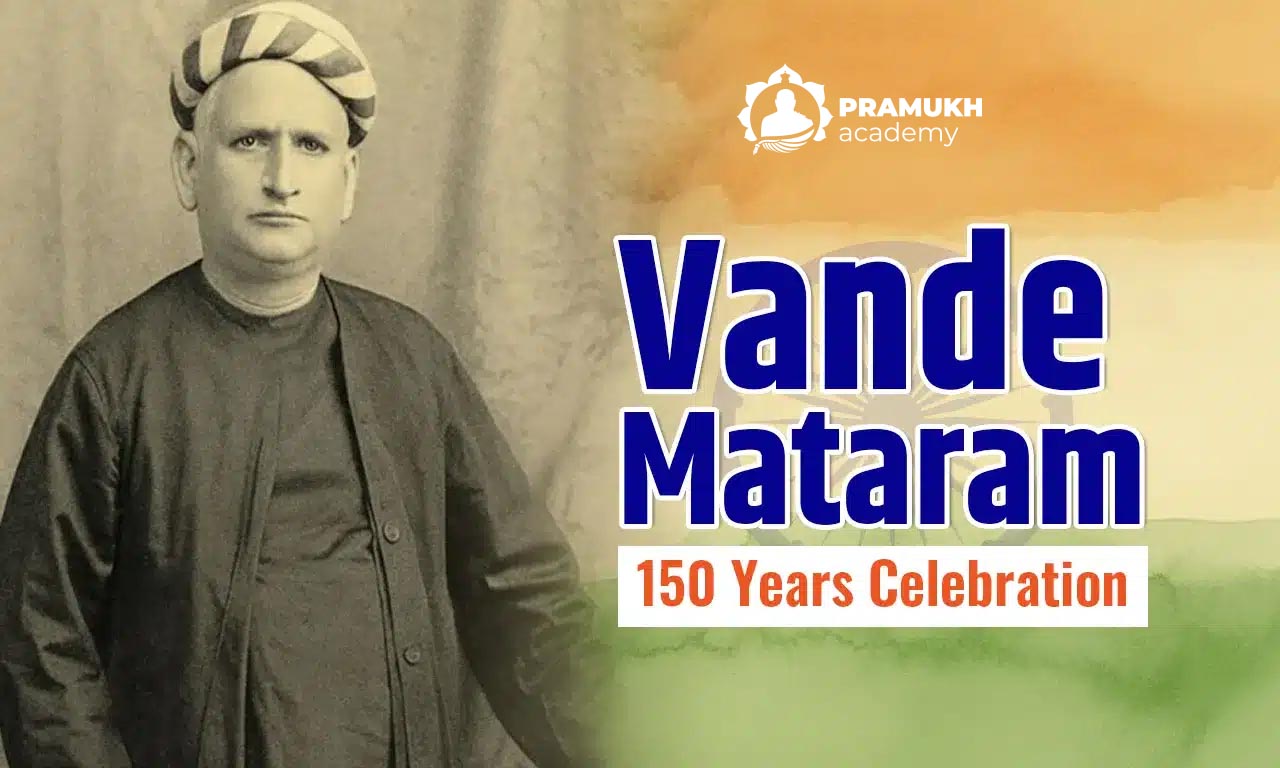
‘वंदेमातरम’ सिर्फ़ गीत नहीं, हमारा संकल्प
दिनांक 7 नवंबर 2025 ये दिन भारतीय इतिहास के स्वर्णिम अक्षरों में लिखा गया है क्योंकि आज से ठीक 150 [...]
UPSC PRATIBHA Setu: A Second Gateway for Aspirants to Shine Beyond the Exam
Every year, lakhs of aspirants appear for the UPSC examination. They dedicate the golden years of their lives and invest their [...]
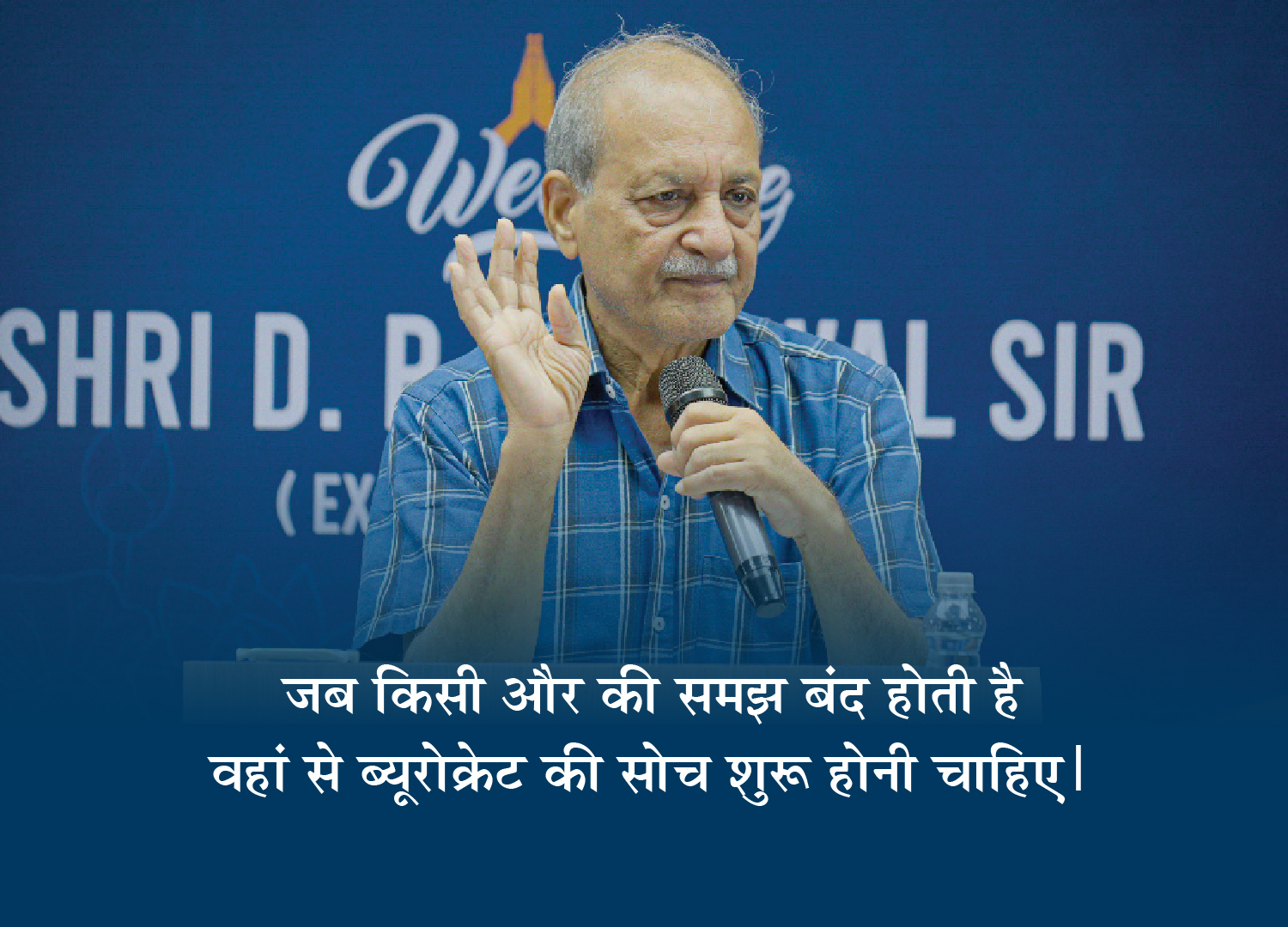
जब किसी और की समझ बंद होती है वहां से ब्यूरोक्रेट की सोच शुरू होनी चाहिए
निश्चित रूप से, Prof. D. P. Agrawal ने सिविल सेवा और यूपीएससी से संबंधित विभिन्न पहलुओं पर एक बहुत ही [...]

International Tiger Day 2025: Date, Importance & Awareness
India, being a host of 70% of global tiger’s population is all set to celebrate international tiger’s day, at this [...]